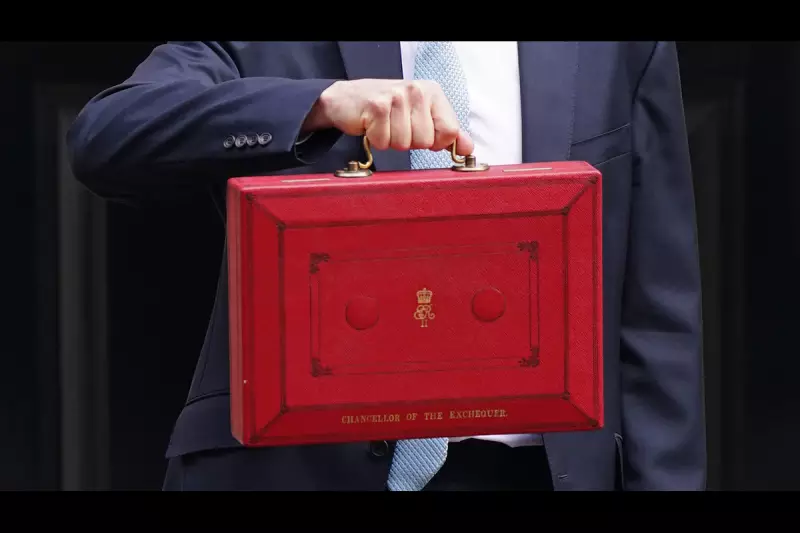
With the Chancellor's Budget announcement set for 26 November 2025, speculation is mounting about which tax measures will be included. However, one leading expert argues the government should look beyond immediate adjustments and focus on creating a more stable and predictable tax system.
Moving Beyond Winners and Losers
Chris Sanger, UK tax policy leader at EY, suggests that the upcoming Budget presents a crucial opportunity to adopt a new approach. Instead of the typical focus on specific tax changes that create perceived 'winners and losers', the government should pursue broader, principled reform.
This reform would align with the government's 10-year Industrial Strategy, requiring a tax system that consistently supports its eight identified growth sectors. The current approach of layering standalone adjustments creates a complex web that can hinder, rather than help, long-term economic goals.

Sanger points to American hedge-fund manager Ray Dalio's principles, suggesting the government should first state the total revenue needed – for example, £20bn, roughly two per cent of total UK tax receipts – and then increase all tax rates uniformly. Only after this baseline is established should the Chancellor apply policy priorities to different taxpayer demographics.
A System Built for Predictability
This method would bring greater predictability to the tax system, reducing the pre-Budget uncertainty that often surrounds potential tax hikes or cuts. The current government has already shown a desire for stability by committing to a single annual Budget in the final two weeks of November.
One potential structural change could involve converting the £12,570 Income Tax personal allowance into a tax credit. This would mean nobody paid the first £2,600 of tax they owed, increasing the benefit for those in the basic rate band and removing the anomalous 60 per cent 'tax trap' affecting those earning between £100,000 and £125,140.
With modern technology enabling more sophisticated tax systems, varying rates to meet the economy's changing needs has become more feasible. A fit-for-purpose tax system could supercharge the Industrial Strategy and help maintain the UK's attractiveness to investors in an increasingly turbulent global economy.