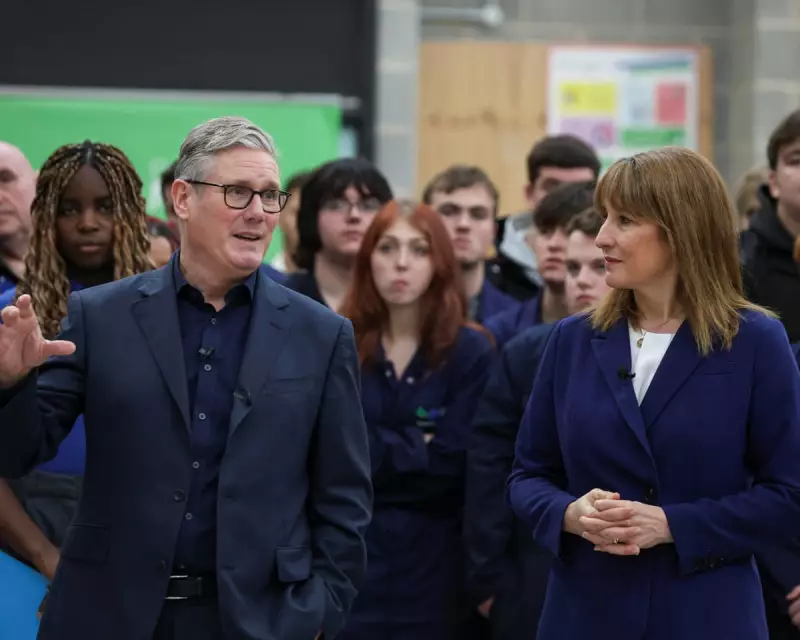
Financial markets have delivered a sharp reaction to Chancellor Rachel Reeves's unexpected decision to scrap plans for raising income taxes, causing UK government borrowing costs to climb and the pound to weaken.
Market Jitters Following Policy Reversal
The Chancellor's dramatic U-turn, confirmed on Wednesday, sent immediate ripples through the City. Interest rates on government bonds surged by more than 10 basis points in early trading, marking their most significant single-day decline since early July. Simultaneously, the value of the pound dropped, falling 0.5% against the US dollar.
This market turbulence arrived despite weeks of preparation by the Treasury, which had warned both Labour MPs and the public that breaking tax pledges might be necessary to address a budget shortfall of approximately £30 billion and prevent a potential market crisis.

A Late-Stage Change of Heart
Reeves had spent weeks developing proposals to increase income taxes for the upcoming budget, a move that would have broken a key manifesto promise made before the election. She had even enlisted external experts to brief Labour backbenchers on the difficult fiscal choices ahead.
As recently as Monday, the Chancellor told BBC Radio 5 Live that sticking to manifesto commitments would necessitate "deep cuts in capital spending." However, in a late-stage reversal, Reeves and Prime Minister Keir Starmer decided to abandon the income tax plans at the last possible moment for making major budget alterations.
The government now appears to be shifting its stance. Culture Secretary Lisa Nandy emphasised the Chancellor's commitment to her promises, stating, "She won't play fast and loose with people's money... she does take our promises seriously."
Economic Warnings and Alternative Approaches
With the income tax rise off the table, the government is expected to focus on a series of smaller tax increases to fill the fiscal gap. However, economists have cautioned that this approach carries its own set of risks.
Ben Zaranko of the Institute for Fiscal Studies highlighted several potential pitfalls on social media platform X, noting that smaller tax rises could lead to more uncertain revenues, greater potential for economic damage, and a less favourable view from bond market investors who were anticipating an income tax hike.
Kathleen Brooks, Research Director at XTB, summarised the market's message: "The bond market is warning the chancellor that she cannot merely tax the 'rich' to fund her lavish spending pledges. Either she broadens the tax base, or she cuts spending."
The market reaction presents a significant challenge for the Chancellor with less than two weeks remaining until the budget, underscoring the delicate balance between fiscal responsibility and political promises.