The head of Britain's leading trade union body has issued a stark warning that the government's budget watchdog risks strangling economic growth and requires urgent modernisation to abandon its "hardwired" support for austerity economics.
Fiscal watchdog under fire
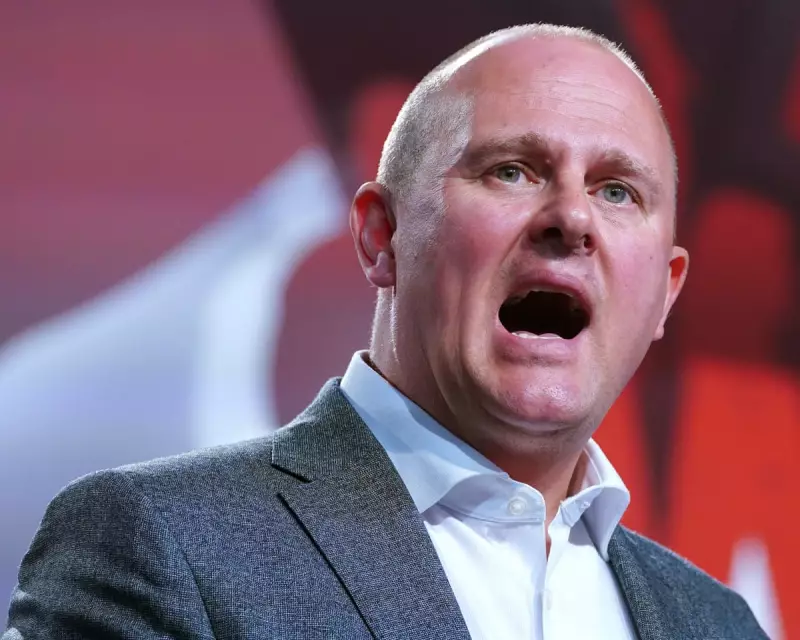
Paul Nowak, general secretary of the Trades Union Congress (TUC), told The Guardian that the Office for Budget Responsibility (OBR) has become a potential "straitjacket" on improving living standards. The warning comes less than two weeks before Chancellor Rachel Reeves delivers her crucial autumn budget on 26 November.
The TUC is calling for an urgent review into the OBR's central role in the budget-setting process, demanding the examination begin immediately after the chancellor's tax and spending statement.

"I don't think the chancellor, whatever happens at the budget, wants to go down the road of austerity 2.0," Nowak stated. "But we've got a fiscal watchdog that is effectively hardwired to support that slash and burn approach to our public services."
Productivity forecast controversy
The tension has escalated due to the OBR's revised productivity forecast, which is expected to create a £20 billion hole in the public finances and endanger Reeves' fiscal rules. Treasury sources indicate the chancellor is furious about the timing of this revision.
Irritated Labour figures have pointed out that if the OBR had adjusted its forecasts earlier - potentially in 2023 - the Conservative party's pre-election tax cuts might have been ruled unaffordable. The watchdog has reportedly cut its assumption for trend productivity growth by 0.3 percentage points.
Nowak expressed bewilderment at the timing, asking: "Why didn't they publish at the end of the last government, or the outset of this one, giving them certainty to plan from? That's why it's time we urgently review whether the OBR is fit for purpose."
Historical context and reform demands
Established by former Conservative chancellor George Osborne in 2010, the OBR has faced mounting criticism from across the political spectrum as Britain's economic and public finance position has steadily deteriorated.
The TUC argues the institution has effectively served as a "cheerleader for austerity" since its creation, failing to adequately account for the economic benefits of long-term public investment.
The union body is pushing for several key reforms, including reducing the OBR's twice-yearly forecasts to a single annual projection published alongside the autumn budget. This change would help slow what they describe as the "rollercoaster of speculation" and prevent patchwork solutions to forecast funding gaps.
The International Monetary Fund has suggested the UK could assess compliance with its fiscal rules just once annually, though it recommends continuing to publish biannual forecasts.
The OBR declined to comment on the criticisms, while a Treasury spokesperson maintained: "We respect the OBR's independence and won't comment on speculation ahead of their forecast which will be published on 26 November."