Historic Council Tax Reform Looms as Treasury Targets High-Value Homes
The Treasury has drafted radical plans to overhaul England's council tax system, with a new levy targeting the most expensive properties currently in bands F to H. This move marks the first significant attempt to update property valuations since the system was based on 1991 prices, potentially affecting homes valued above £1-2 million.
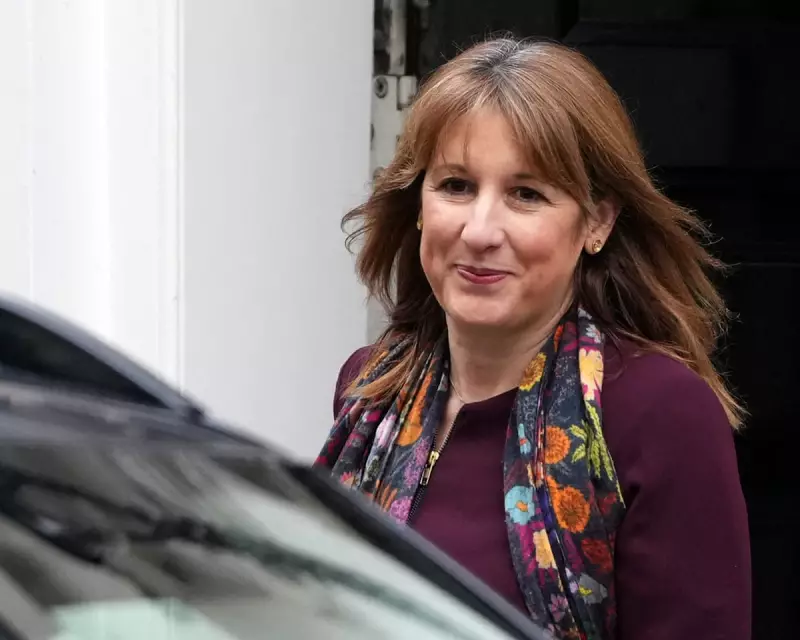
Chancellor Rachel Reeves faces mounting pressure to "grasp the nettle" and implement a wholesale revaluation of the nation's housing stock in next week's budget. The proposed measures would see properties exceeding an undetermined threshold facing an additional flat-rate annual charge of £2,000-£3,000 on top of their existing council tax bills.
Experts Call for Comprehensive Reform
Helen Miller, director of the Institute for Fiscal Studies, warned that partial revaluation could complicate the system further. "It has the air of trying to scrape a bit more money where you need it, as opposed to just grasping the nettle," she stated. Miller questioned why the government wouldn't undertake complete revaluation, noting: "If not now, when? How many more decades do we have to be saying, we're basing council tax on 1991 valuations?"

The New Economics Foundation's deputy chief executive, Hannah Peaker, echoed these concerns, advocating for a bolder approach. "Doing this in a haphazard way risks perpetuating the inequalities our current system creates," she argued, emphasizing that property tax represents one of the most economically efficient ways to fund strained public services.
Political Challenges and Proposed Solutions
Successive governments have avoided council tax revaluation due to fears of backlash from households that would face higher bills. Some Labour MPs have expressed concern about the impact on "asset rich, cash poor" constituents who might struggle with additional charges.
The Treasury's proposal includes several protective measures:
- A delayed implementation to allow homeowners time to prepare
- A potential "deferral" scheme allowing costs to be met from estates after death
- Possible application to property owners rather than tenants
Adam Corlett, principal economist at the Resolution Foundation, welcomed the progressive approach. "We have not made progress on council tax since the '90s and at the moment those in the most expensive properties are paying the least as a share of their incomes," he noted.
The new charge, styled by some as a "mansion tax," would generate revenue directly for the Treasury, with estimates suggesting less than £1 billion annually depending on the final threshold and levy amount. This contrasts with more radical proposals from the Institute for Public Policy Research that could raise up to £4 billion.
A Treasury spokesperson maintained the department's standard position, stating: "We do not comment on speculation." The final decision will reveal whether the government opts for incremental change or heeds expert calls for comprehensive council tax reform.