Third Inflationary Shock Approaches: Disparate Impact on UK Households
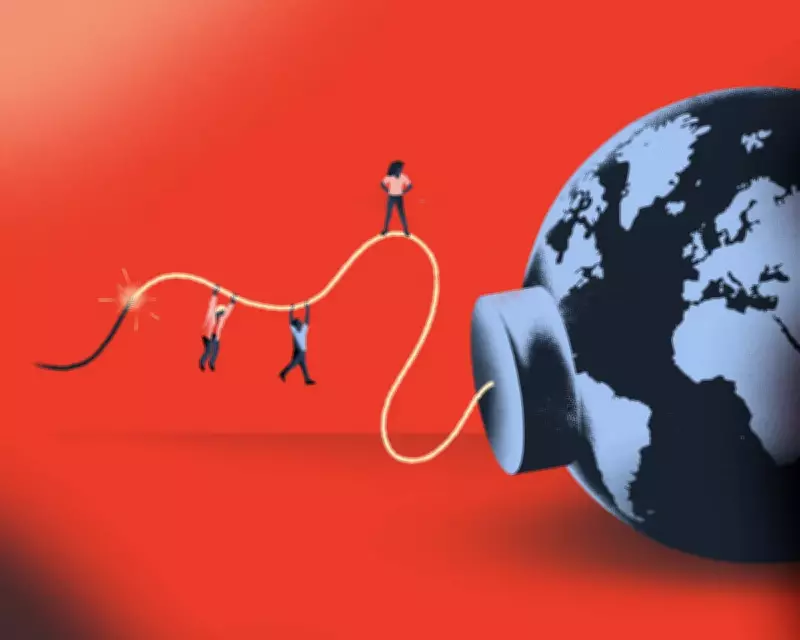
Britain stands on the brink of its third major inflationary crisis in less than a decade, with mounting evidence indicating that the burden will fall disproportionately on those least equipped to bear it. As global oil markets face unprecedented strain due to geopolitical tensions in the Persian Gulf, the ripple effects threaten to destabilize economies worldwide, with the United Kingdom positioned to experience significant fallout just ahead of crucial elections.
Geopolitical Tensions and Global Oil Markets
The strategic Strait of Hormuz, through which approximately twenty percent of global oil supplies transit, has become the focal point of international anxiety. Energy expert Daniel Yergin, whose Pulitzer-winning work has informed presidential administrations from Clinton to Trump, identified this narrow waterway as "the number one choke point for global oil supplies" over a decade ago. Recent military escalations between the United States, Israel, and Iran have transformed theoretical warnings into immediate threats.
Asian economies, which typically purchase eighty percent of oil transported through the strait, already demonstrate the catastrophic consequences of supply disruption. Governments across the continent have implemented emergency measures including driving restrictions and shortened work weeks, while populations grapple with dramatic food price increases and critical fuel shortages. Thailand has witnessed temples suspending cremations to conserve energy, while Bangladesh reportedly faces depletion of oil and gas reserves within weeks.

UK Political Landscape and Economic Vulnerability
This energy supply crisis arrives at a politically sensitive moment for the United Kingdom, with Prime Minister Keir Starmer convening emergency Cobra meetings and Chancellor Rachel Reeves engaging business leaders at Downing Street. The electoral implications are substantial, as Starmer confronts the prospect of rising prices compounding existing political challenges. His 2024 electoral success owed much to external factors including Vladimir Putin's impact on energy markets and Liz Truss's interest rate policies, leaving the current administration vulnerable to dual pressures of inflation and economic contraction.
Three Fundamental Truths About Inflationary Crises
First, inequality determines crisis impact. The notion that "we're all in it together" during national emergencies represents dangerous fiction. Research from the Foundational Economy group reveals stark disparities: between 2019 and 2023, the lowest-earning twenty percent of UK households experienced a ninety-six percent increase in essential costs for food, housing, transport, and energy. Meanwhile, the highest-earning twenty percent actually reduced spending by forty-five percent through measures including Truss's energy-price guarantee and trading down to discount retailers.
New projections indicate food prices may surge nearly ten percent this year, adding approximately £127 to average annual household food bills. The Energy and Climate Intelligence Unit notes that because lower-income households allocate proportionately more of their budgets to essentials, they will absorb significantly greater impact.
Second, utility pricing systems remain fundamentally regressive. Current structures require impoverished families to pay identical rates for energy, water, and basic services as wealthy households, effectively creating a poll tax on essential utilities. Progressive charging models for water and energy represent necessary reforms, alongside accelerated transition from fossil fuels and reconsideration of ownership structures.
Third, growth-centric economic strategies have reached their limits. Political promises of achieving "the highest sustained growth in the G7" have collided with reality, as the Organisation for Economic Co-operation and Development now projects the UK will trail all G7 nations except Italy in economic expansion. This disconnect between political rhetoric and economic performance reflects deeper failures to understand the relationship between GDP growth and household prosperity.

Alternative Economic Vision
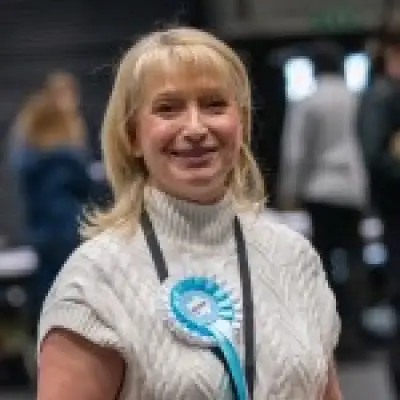
Hannah Spencer, recently elected MP for Gorton and Denton, articulated an alternative perspective during her February byelection victory: "People who work hard but can't put food on the table. Can't get their kids school uniforms. Can't put their heating on." Her conclusion that "working hard should get you a nice life" represents neither radical ideology nor extreme politics, but rather a fundamental principle that has increasingly disappeared from Westminster discourse.
As Britain prepares for its third major economic disruption in just over half a decade—following COVID-19 and the Ukraine-related inflationary shock—the coming months will test whether political leadership can move beyond performative crisis management to address structural inequalities that determine how different segments of society experience national emergencies.