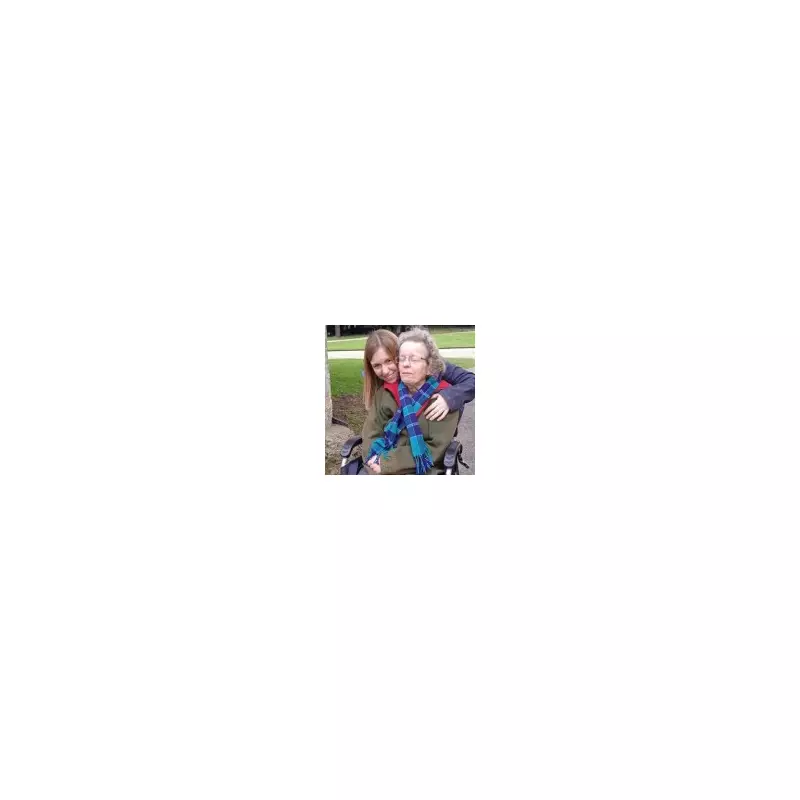
The Heavy Burden of a Mother's Final Decision
Catie Fenner's world shifted during a routine Wednesday visit to her parents' home in Reading. It was there, in their sitting room, that her mother, Alison, a retired teacher, revealed her decision to end her life at the Dignitas clinic in Switzerland. Alison had been diagnosed with Motor Neurone Disease at Oxford's John Radcliffe Hospital in 2022. A strong-minded and active woman who loved music, walking, and reading, she had already taken her husband, David, to a pub to inform him she wanted to end the illness on her own terms.
'She had kept it from me and my sister for a long time while they sorted out the mountains of paperwork,' recalls Catie, 37, a teacher herself. 'When she finally told me her decision I remember turning to Dad and asking: "Is this real?"' Yet, the decision made a painful sense. Alison had written a clearly-worded letter to protect her family, stating she was of sound mind, as assisted suicide remains illegal in England, punishable by up to 14 years in prison.
A Web of Lies and Isolating Grief
To shield her mother's choice from a potential police investigation, Catie was forced to construct an elaborate web of deception. She lied to her work, her friends, and initially, even her partner. 'I felt so isolated and trapped under this heavy weight,' she remembers. The burden was compounded by anticipatory grief and the guilt of her dishonesty.
At work, she felt compelled to exaggerate her mum's deterioration to make her eventual death seem plausible. 'One of the most horrendous things is that we all knew she was going but friends didn't get the chance to say goodbye,' Catie adds. 'People would drop in for a cup of tea thinking they would see her the next week. You feel like you're lying to everyone. It was awful.' The emotional strain eventually became unbearable, and she confided in her partner, a secret her understanding mother supported.
The final farewells in February 2023 were shrouded in further secrecy. Catie and her sister said a tearful goodbye at a taxi outside their home, concealing their distress from the driver for fear he might intervene. 'While they smiled on the outside, they sisters were 'absolutely falling apart inside,' Catie recalls. Their last FaceTime call with Alison was agony. 'I can't put into words how hard it was to hang up on that call. But she was smiling – relieved that she was getting what she wanted.' Catie adds, 'My mum deserved more than dying miles away from home in that isolated way.'
A Growing National Debate
Catie's story is one of more than 500 Britons who have travelled to Dignitas since 1998. Her experience now fuels her support for the assisted dying bill, which passed its second reading in the House of Commons a year ago and is currently undergoing clause-by-clause scrutiny in the House of Lords.
Supporters like former Labour MP Paul Blomfield argue the current law is cruel. His father, after a terminal lung cancer diagnosis, ended his own life alone. 'The current law forced my father into a lonely decision and a lonely death,' he told MPs. He estimates that 650 people with terminal illnesses take their own lives each year in the UK.
However, the bill faces fierce opposition. Retired journalist Peter Sefton-Williams, who was misdiagnosed with MND, warns of the risks of error. Disability-rights campaigner Liz Carr and the British Medical Association have expressed concerns that a law change could pressure vulnerable people and alter society's attitude towards the ill and disabled.
Former police officer James Johnson shares Catie's pain. His mother, Peggy, also travelled to Dignitas alone in 2016 to end her suffering from terminal vasculitis. He describes the law as 'backwards,' forcing families into corners and outsourcing compassion. 'Police officers are still going to jobs to this day where they have to put handcuffs on people who have been accused of assisting the death of a loved one,' he explains.
For Catie, campaigning is her final act of service to her mother, a woman who in her youth would run through forests to disrupt fox hunts. 'Mum would always follow what she believed in and I would like to think that I am doing that for her now,' she says. 'I would hope that I am making her proud.'