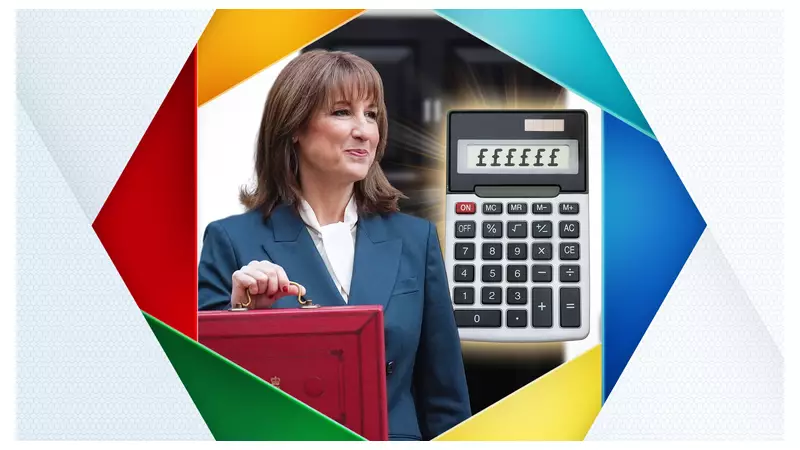
Chancellor Rachel Reeves has announced a significant extension to the freeze on income tax thresholds, locking them in place for a further three years. This means the tax-free personal allowance and the higher-rate tax threshold will remain unchanged from their April 2021 levels until at least March 2031.
What is a 'Stealth Tax' and How Does It Work?
This policy is widely described as a 'stealth tax'. You won't see an immediate change on your payslip. Instead, the impact is felt over time as your earnings increase. With each pay rise, a smaller proportion of your wages remains tax-free, and more of your income is pushed into higher tax bands.
This freeze allows the government to technically adhere to its manifesto pledge not to raise the rates of income tax, national insurance, or VAT. However, the effective tax rate that people pay on their earnings is set to rise significantly.

Who Will Be Hit the Hardest?
The individuals most affected in relative terms are those whose current earnings sit close to the key tax thresholds. This includes people near the £12,570 tax-free personal allowance or the £50,270 limit where the higher 40% tax rate kicks in.
According to the Office for Budget Responsibility (OBR), this freeze will have a dramatic effect. One in four adults will be higher-rate taxpayers by 2031, a sharp increase from one in seven in 2022. This represents an additional 5.7 million people, with 920,000 being dragged into the higher-rate band specifically due to Reeves's latest three-year extension.
The Long-Term Impact on Your Take-Home Pay
The consequences of this prolonged freeze are profound. By the time it ends in 2031, low earners will be losing a higher proportion of their income to direct taxation than at any point since 2013. Similarly, high earners are expected to face their highest tax rates since 2008.
For the average worker, the proportion of income paid in tax has already risen from 18.2% when Labour took office to 18.8% now. This is projected to reach 19.8% by March 2031, which would be the highest level since the national insurance rate was cut under the Sunak/Hunt government in 2023.
The Resolution Foundation has stated that sticking to the Labour manifesto pledge in this way “costs millions of workers”, highlighting the significant financial pressure the policy will place on households across the country over the coming years.