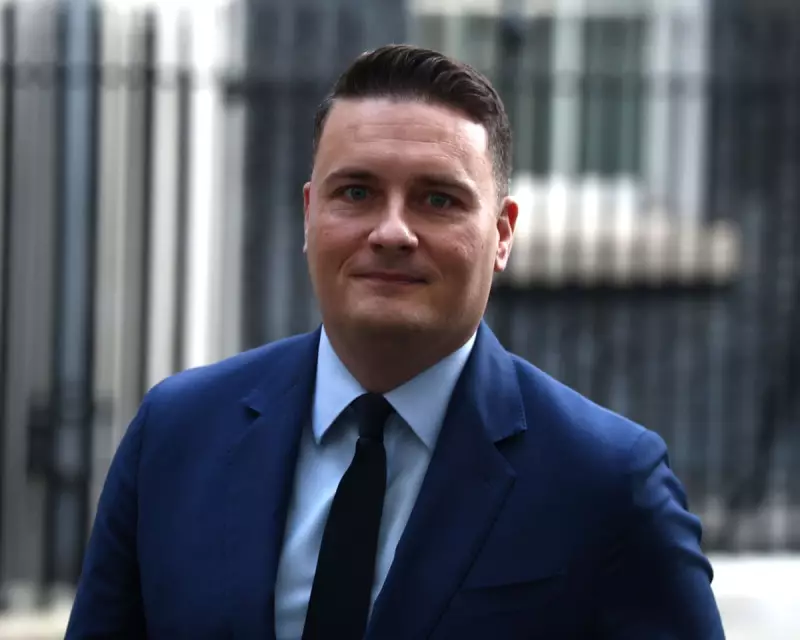
Health Secretary Wes Streeting has dramatically escalated his conflict with the British Medical Association (BMA), publicly labelling the doctors' union as "impossible" to work with and accusing it of spreading "misleading" information.
A Public Letter of Rebuke
In an unprecedented move on Thursday, Streeting wrote directly to England's 50,000 GPs to express his profound frustration. This communication was a direct response to a speech given by Dr Katie Bramall, head of the BMA's GP committee, on 7 November. In her address, Dr Bramall accused the government of being "traitors" to the medical profession, employing "disingenuousness, duplicity and gaslighting."
Streeting condemned the speech as "deeply unprofessional and unbecoming". He specifically countered claims regarding recent changes to the GP contract that, since last month, have made it easier for patients to contact their surgeries online between 8am and 6.30pm on weekdays. The Health Secretary insisted that "the BMA agreed these contract changes in February 2025 and any suggestions to the contrary are factually incorrect."

Contract Negotiation Powers Stripped
To underline his seriousness, Streeting has taken the significant step of ending the BMA's longstanding role as the sole negotiator for the annual GP contract, which governs doctors' pay and working conditions. For future negotiations on the 2026-27 contract, he will consult with other bodies including the Royal College of GPs and the NHS Confederation, thereby diluting the union's influence.
Dr Tom Dolphin, the BMA’s chair of council, criticised this public approach, stating, "We would have much preferred the health secretary to contact the BMA privately and directly to seek de-escalation, rather than via the media."
Broader Context of Industrial Action
This confrontation occurs against a backdrop of a long-running series of strikes by resident doctors—formerly known as junior doctors—who are in dispute over pay and training opportunities. The union's resident doctors committee is now considering calling a 14th strike before Christmas, as their current strike mandate expires on 6 January.
NHS England boss, Sir Jim Mackey, has urged the BMA to end the "doom loop" of strikes, especially during the winter when the health service is under immense strain. He revealed that each strike action costs the NHS £250 million and forces a re-prioritisation of care to ensure patient safety.
Meanwhile, the BMA maintains its position. Dr Bramall cited a union survey of over 1,300 practices which found that 42% have had to reduce face-to-face appointments due to the burden of managing online patient communications. "Fewer appointments and practice meltdown isn't a win for patients or the profession," she argued, accusing the government of "broken promises" on safeguards for GPs.