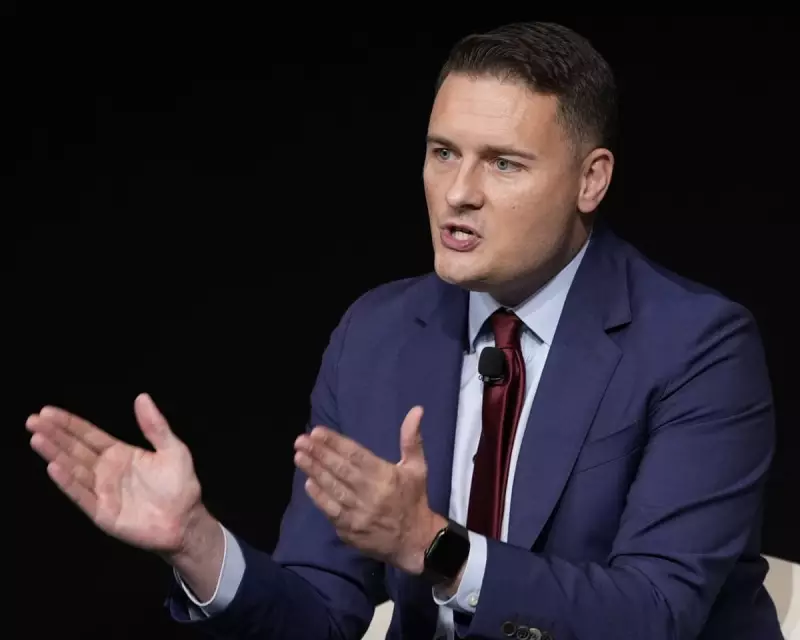
Health Secretary Wes Streeting has launched a blistering attack on the British Medical Association (BMA), labelling the doctors' union a 'cartel' and a direct threat to the future of the National Health Service.
A Strongly Worded Condemnation
The remarks were made at the annual conference of NHS Providers, where Streeting received loud applause from health service leaders. He stated that the BMA is 'no longer a professional voice for doctors' and is instead engaging in 'cartel-like behaviour'.
He told the union to 'get real' about its pay demands, emphasising that the government would not be 'held to ransom'. The health secretary's comments come just ahead of the latest five-day strike by junior doctors in England, scheduled to begin on Friday.

The Pay Dispute at a Glance
This will be the 13th walkout by resident doctors since their campaign for 'full pay restoration' began in March 2023. While their salaries have seen a 28.9% rise over the last three years, they are seeking a further 26% increase to compensate for what they describe as a real-terms pay cut since 2008.
Streeting highlighted the financial pressures, pointing out that the average salary for all doctors in England is £88,269, with consultants earning an average of £127,540. He contrasted this with the rest of the NHS's 1.5 million-strong workforce, many of whom he said earn far less.
Anxiety and Consequences for the NHS
NHS trust leaders are deeply concerned about the impact of the impending strike. With hospitals already dealing with an early flu season, the five-day disruption is expected to severely affect patient care.
One trust chief executive issued a stark warning, stating that during strike action, 'There is a risk that people will die who wouldn't otherwise have come to harm.'
Streeting concluded his criticism by accusing the BMA of hypocrisy, claiming that while the union lobbies for higher pay for doctors, it simultaneously lobbies against higher taxes for high-earning medics, effectively asking other people to foot the bill.