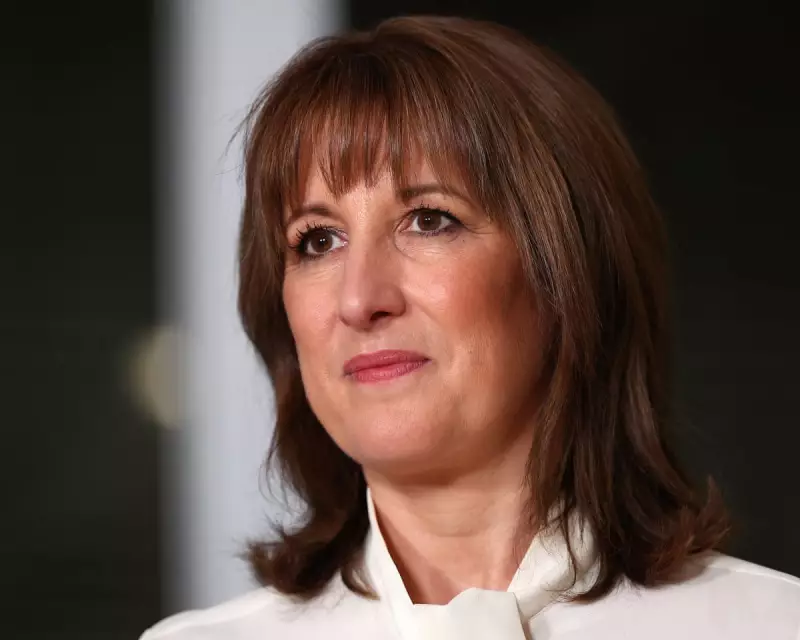
Chancellor Rachel Reeves has made a significant commitment, confirming that retirees whose only income is the state pension will not have to pay any income tax on it for the remainder of this parliament. This announcement clarifies a key point from the recent budget and aims to protect the most financially vulnerable pensioners from a looming tax liability.
The Looming Tax Threshold Problem
The core of the issue lies in the interaction between rising state pension payments and frozen tax thresholds. The new state pension is projected to increase to £241.30 per week in April of next year. This brings the annual income for a recipient to £12,547, which is currently just below the personal tax allowance of £12,570.
However, with tax thresholds frozen by the government, even a modest increase of 2.5% to the state pension from April 2027 would push this income above the tax-free allowance. This would have meant that a pensioner relying solely on the state pension would have faced a tax bill of approximately £58 on £292 of their income.

From Administrative Ease to Full Tax Exemption
Wednesday's budget document initially suggested a move to reduce paperwork, pledging to “ease the administrative burden for pensioners whose sole income is the basic or new state pension.” It indicated they would not need to pay small tax amounts via a simple assessment from the 2027-28 tax year.
But in an interview with Martin Lewis, the Chancellor went much further. When asked if these pensioners would have to pay the tax, Reeves stated unequivocally, “In this parliament, they won’t have to pay the tax.” This stronger commitment was later confirmed by a Treasury spokesperson, transforming a procedural change into a specific tax exemption.
Fairness Questions and a Potential Two-Tier System
While the move offers relief for some, it has immediately raised serious questions about fairness within the pension system. Steve Webb, a former pensions minister and now a partner at the consultancy LCP, warned that the policy “raises several questions of fairness.”
He highlighted that 2.5 million pensioners on the older state pension are already paying tax on their income and questioned how they would be treated. “There is a real risk that pensioners on the new system will be more favourably treated,” Webb said.
The new scheme could create an imbalance by protecting those with no private pension while potentially penalising those who saved modestly. “This penalises those who have saved, even modest amounts,” Webb explained. He also pointed out the disparity where a pensioner just above the tax threshold would pay no tax, while an employee on the same income would pay both tax and National Insurance contributions.
Furthermore, the policy appears to be in its early stages. No official costing was provided in the budget documents, with the main text stating the government is “exploring the best way to achieve this and will set out more detail next year.” Steve Webb concluded that it will be “incredibly difficult for the Treasury to come up with something that is workable and fair.”