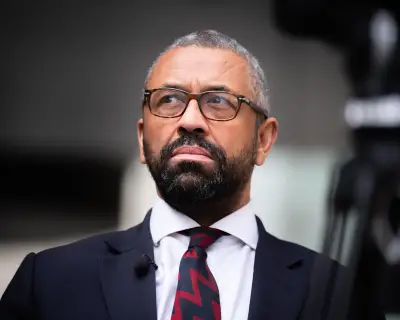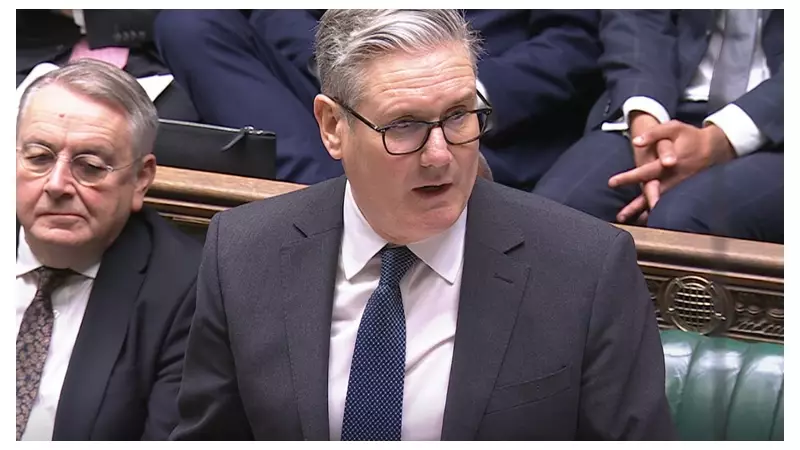
Prime Minister Sir Keir Starmer has declined to rule out extending the current freeze on income tax thresholds, a measure that could see millions of Britons paying more tax as their wages rise.
The Budget Question
During a heated parliamentary session on Wednesday, 19th November 2025, Conservative leader Kemi Badenoch directly challenged the Prime Minister on whether Chancellor Rachel Reeves would announce an extension to the threshold freeze in the upcoming budget. Sir Keir avoided giving a direct answer, stating instead that the budget details would be revealed in one week.
The Prime Minister emphasised his government would not "inflict austerity on the country as they did," a clear reference to previous Conservative administrations. He also pledged to avoid a borrowing spree similar to the one seen during Liz Truss's brief premiership.

A Potential 'Stealth Tax'
Extending the freeze on income tax thresholds is widely considered a 'stealth tax' because it pulls more people into higher tax brackets as their salaries increase, even without an official tax rate hike. The current freeze, implemented by the previous Conservative government, is scheduled to end in 2028.
This potential move comes as Chancellor Rachel Reeves is reportedly seeking to fill an estimated £30 billion black hole in the public finances. While Labour's election manifesto promised not to increase taxes on "working people," including income tax, an extension of the freeze would not technically breach this pledge, though it would result in higher personal tax bills for many.
Political Fallout and Other Proposals
Ms Badenoch accused the government of hypocrisy, noting that the Chancellor had previously called a similar move a breach of manifesto promises. Conservative MPs were heard laughing as Sir Keir responded that the opposition leader "speculates and distorts" every week.
Other revenue-raising measures being considered by the Treasury include:
- A mansion tax, which would be an annual 1% charge on the portion of a property's value exceeding £2 million.
- A new gambling tax that could generate an extra £3.2 billion per year for the Treasury.
The political and financial stakes are high as the country awaits the Chancellor's budget announcement, which will reveal the government's chosen path to fiscal stability.