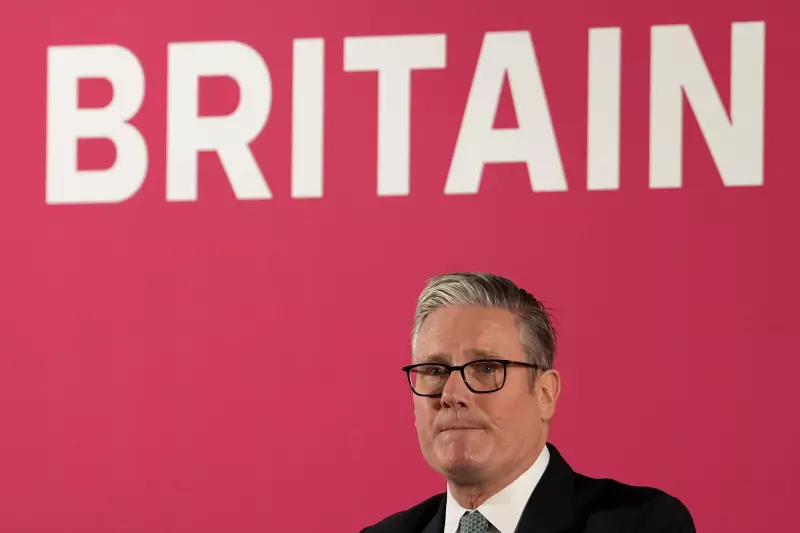
Prime Minister Sir Keir Starmer has robustly denied claims that Chancellor Rachel Reeves misled cabinet colleagues and the nation about the condition of the public finances in the run-up to the recent Budget. The accusations centre on speculation of a £30bn shortfall in fiscal headroom that influenced intense tax rumours.
Defence Amidst Fiscal Watchdog Tensions
Speaking at a press conference in a London nursery, Starmer staunchly defended Reeves's tax measures and extra spending pledges, including the controversial decision to lift the two-child benefit cap. He attributed the need to raise revenue to a productivity downgrade by the Office for Budget Responsibility (OBR), expressing bemusement at the timing of the fiscal watchdog's growth review.
"It was inevitable we would always have to raise revenue," Starmer asserted. "There was no misleading. I was clear we needed more headroom." The Prime Minister also confirmed the government had considered breaking a key Labour manifesto commitment by raising income tax rates, though he was not pressed on why that plan was later abandoned.

OBR Letter Fuels Political Storm
The political firestorm was ignited after OBR chair Richard Hughes wrote to the Treasury Select Committee. His letter confirmed that, excluding ditched welfare cuts, there was no shortfall in the public finances after 20 October, suggesting the government's fiscal gap was far smaller than widely believed.
This revelation placed Starmer and Reeves in a difficult position, with opposition parties, including the Conservatives and Reform UK, calling for the Chancellor's resignation. The timeline of events is under intense scrutiny:
- In early November, Reeves strongly hinted at income tax rises, letting speculation run wild.
- On 5 November, she strongly suggested the Labour manifesto would be breached.
- By 13 November, media reports indicated the income tax hike plan had been dropped due to improved forecasts—a claim the OBR has since contradicted.
BBC Political Editor Chris Mason stated the Treasury had misled the public based on both the information provided and withheld. Starmer, however, pointed the finger back at the OBR, questioning why it had not revised its trend forecasts before the last General Election. He nonetheless called the OBR "vital and integral" to maintaining financial stability.
Nuclear Power Planning Reforms Accepted
Amid the fiscal row, the Prime Minister used a speech in Central London to confirm the government would accept all recommendations from a landmark review of nuclear power planning. The review, led by economist John Fingleton, found an excessive focus on "process" over "outcome" had made the UK the costliest place to build nuclear power plants.
"I am accepting the Fingleton recommendations," Starmer said, with Business Secretary Peter Kyle tasked with implementing similar reforms in other sectors. Think tank experts praised the move, with Lawrence Newport of Looking for Growth calling it "the biggest, most radical change to nuclear regulation in our country's history".
The government's next steps focus on three key areas to grow the economy: deregulation, welfare reform, and boosting trade ties. Meanwhile, OBR chair Richard Hughes is set for a showdown hearing with MPs on Tuesday, which is expected to further expose the tensions between the Treasury and the independent fiscal watchdog.