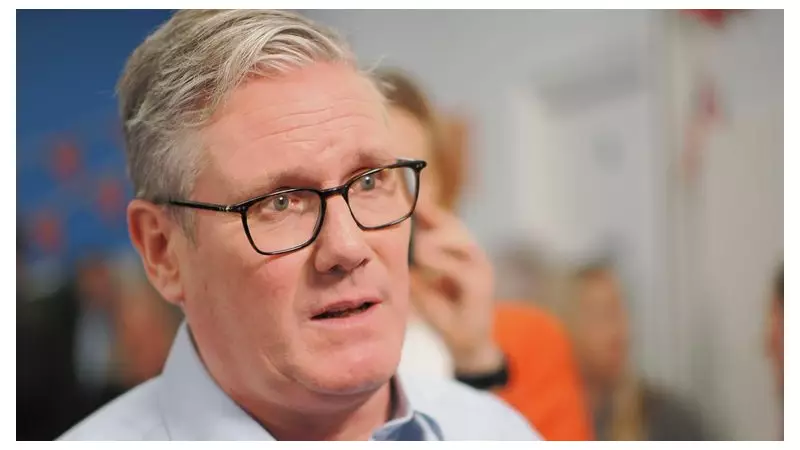
Prime Minister Sir Keir Starmer has defended his government's controversial budget measures, insisting Labour has "kept to our manifesto" despite implementing 43 separate tax increases that will raise an additional £26 billion.
Defending the tax rises
Speaking to Sky News political editor Beth Rigby on Thursday 27th November 2025, the Prime Minister acknowledged asking "everybody to contribute" but maintained his government had "done the least possible we can" to impact people and had "done it in a fair way".
Sir Keir repeatedly refused to admit breaking the manifesto promise not to raise income tax, national insurance or VAT "on working people", stating firmly: "We kept to our manifesto in terms of what we've promised."

The Prime Minister justified the tax increases by pointing to three key priorities: protecting the NHS, funding schools adequately, and addressing the cost of living crisis.
Budget breakdown: What was announced
Chancellor Rachel Reeves delivered her budget on Wednesday, revealing the extensive tax measures after the Office for Budget Responsibility accidentally published its full report early.
The most significant measure was extending the freeze on income tax thresholds for another three years until 2031, creating a stealth tax expected to raise £8.3 billion by the end of the decade.
Other major announcements included:
- Pensions contributions via salary sacrifice will be capped at £2,000 annually before national insurance applies from 2029, raising £4.7 billion
- Cash ISA allowance reduced from £20,000 to £12,000 in 2017 for under-65s
- Mansion tax introduced ranging from £2,500 for properties over £2 million to £7,500 for homes exceeding £5 million
- Pay-per-mile tax for electric vehicles starting April 2028
- Tax rates on property savings and dividend income increased by two percentage points
Government's defence and public impact
Both the Prime Minister and Chancellor have faced intense scrutiny over whether the budget contradicts Labour's election promises. Ms Reeves admitted to Sky News she is "asking ordinary people to pay a little bit more" but maintained the manifesto commitment was "very specific".
The budget did include some relief measures, including:
- Basic and new state pension rates increased by 4.8%
- Two-child benefit cap lifted from April 2026
- Fuel duty frozen until next September
- £150 cuts to average household energy bills from April
- Inheritance tax changes allowing transfer of 100% relief allowance to a surviving spouse
Despite these measures, the overall tax burden will reach record-breaking levels, marking one of the largest tax-raising budgets in recent British history.