The Great Spring Statement Debate: Stability Versus Action in Turbulent Times
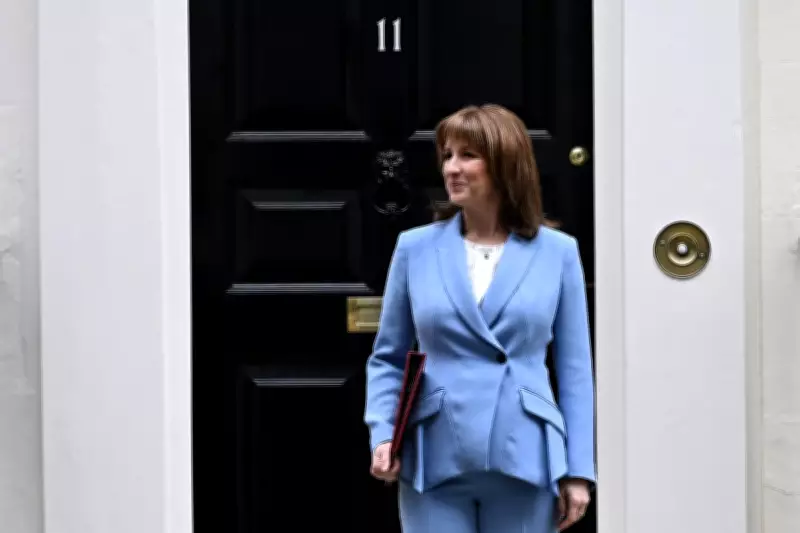
In a political climate typically characterized by dramatic announcements and fiscal surprises, this week's Spring Statement presented a striking departure from tradition. Chancellor Rachel Reeves delivered what many described as a deliberately "quiet" fiscal update, sparking intense debate about whether this approach served British businesses or represented a missed opportunity for decisive government action.
The Case for Calm: Why Stability Matters Now
Steve Rigby, CEO of Rigby Group, argues that the uneventful Spring Statement was precisely what the business community needed. "This week's Spring Statement was a rare and welcome moment of calm," Rigby states. "In business, we live and die by our annual budget, which sets investor expectations, shapes compensation programs, and becomes our north star for the months ahead."
Rigby emphasizes that the Spring Statement has too often drifted into becoming a second Budget by another name, with material fiscal changes occurring in four of the last ten years. "The weeks leading up to recent Budgets have been fraught with blame games, talk of black holes, and radical shifts in employer taxation," he notes. "Businesses and households alike have been left needing less drama and more certainty."

The global context further supports this cautious approach, according to Rigby. "Conflict involving Iran, tension between Pakistan and India, and four grinding years of war in Ukraine weigh heavily on markets and minds alike. Against that backdrop, the government's decision to keep this March event deliberately light looks prudent."
The Argument for Action: When Caution Becomes Complacency
Luke Francis, partner at Pagefield and former Labour Party adviser, presents the opposing view. "The Chancellor had every excuse she needed to play it safe with yesterday's Spring Statement," Francis acknowledges. "Borrowing and inflation forecasts have been revised down, while interest rate cuts are finally starting to be felt in people's pockets."
However, Francis argues that after eighteen months of stumbling from crisis to catastrophe with no clear direction, "the luxury of steadying the ship is no longer afforded to this government." He points to last week's historic defeat to the Green Party in the Gorton and Denton by-election as a wake-up call. "The electoral threat is now all around. For traditional political parties, it could prove existential."
"Through indecision and inaction, the government is in danger of making itself irrelevant," Francis warns. "If tackling the cost of living and delivering economic growth that reaches ordinary working people is to be achieved, it demands bold and decisive action."
The Verdict: Balancing Political Promises with Economic Reality
Ahead of the Spring Statement, the government took great pains to emphasize that it would be boring—no drama, no policy announcements, and certainly no surprises. Chancellor Reeves stayed true to this commitment, appearing uncharacteristically relaxed as she delivered the update, even cracking jokes in the Commons.
While Francis correctly identifies that Labour faces significant political challenges requiring bold action, the government also needed to honor its commitment to having just one major fiscal event per year—a flagship promise that would have been problematic to abandon. More importantly, what benefits political parties doesn't necessarily serve business interests, and as Rigby illustrates, the business community has been clear about its need for stability.
The ultimate conclusion: In a world characterized by global turmoil and economic uncertainty, terms like 'dull,' 'boring,' and 'uneventful' might represent the most favorable assessment a government can hope for when balancing political promises against business needs.