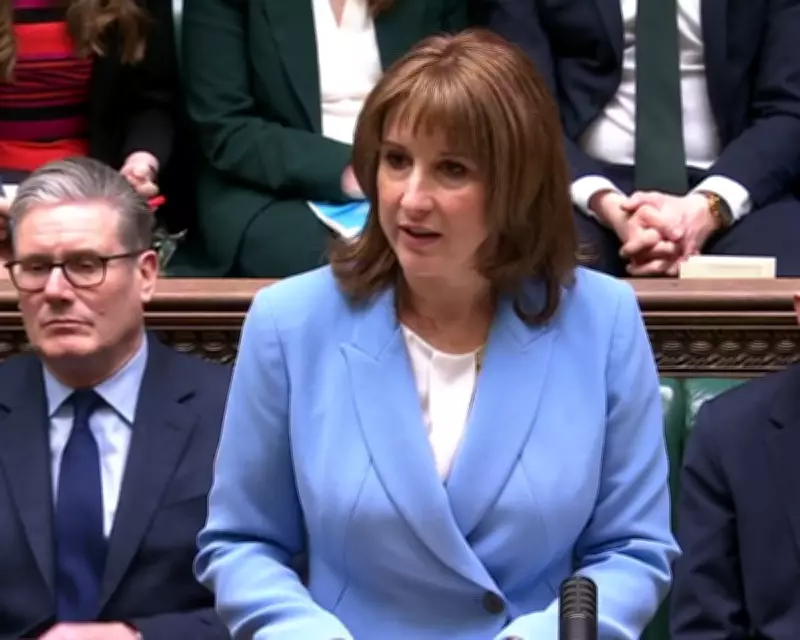
Chancellor's Spring Statement Faces Immediate Obsolescence Amid Economic Shifts
The Chancellor's Spring Statement, delivered with much anticipation, is already being questioned for its relevance in the face of rapidly evolving economic conditions. As global markets fluctuate and domestic pressures mount, the fiscal update may have been outdated from the moment it was announced.
Economic Realities Outpace Policy Announcements
In a world where economic data can shift overnight, the Spring Statement's assumptions about growth, inflation, and employment are under intense scrutiny. Experts argue that the statement failed to account for recent developments in international trade, energy prices, and consumer confidence, which have all seen significant changes in recent weeks.
The gap between policy announcements and real-time economic realities is widening, raising concerns about the effectiveness of fiscal planning in such a volatile environment. This disconnect highlights the challenges faced by policymakers in responding to fast-moving crises.

Key Areas of Concern in the Statement
The Spring Statement outlined several measures aimed at supporting households and businesses, but critics point to potential flaws:
- Taxation policies that may not align with current inflationary pressures.
- Spending commitments based on outdated revenue projections.
- A lack of contingency plans for unforeseen economic shocks.
These issues suggest that the statement was crafted with data that no longer reflects the on-ground situation, leading to calls for more agile and responsive fiscal management.
Implications for Future Fiscal Policy
The perceived obsolescence of the Spring Statement has broader implications for how economic policy is formulated and communicated. It underscores the need for:
- More frequent and flexible updates to fiscal plans.
- Greater transparency in the assumptions underlying budget statements.
- Enhanced mechanisms to incorporate real-time economic indicators.
As the economy continues to navigate uncertainty, the ability to adapt quickly will be crucial for maintaining public trust and achieving sustainable growth.
Public and Political Reaction
Reactions to the Spring Statement have been mixed, with some praising its intent while others question its timing and content. Opposition parties have seized on the issue, arguing that it demonstrates a failure to grasp the urgency of current economic challenges.
The debate highlights a growing tension between long-term planning and short-term responsiveness in government finance. With elections on the horizon, the effectiveness of fiscal announcements could become a key battleground in political discourse.
In conclusion, while the Spring Statement aimed to provide clarity and direction, its rapid dating serves as a reminder of the complexities of modern economic governance. Moving forward, policymakers may need to rethink how they deliver fiscal updates to ensure they remain relevant and impactful in a fast-changing world.