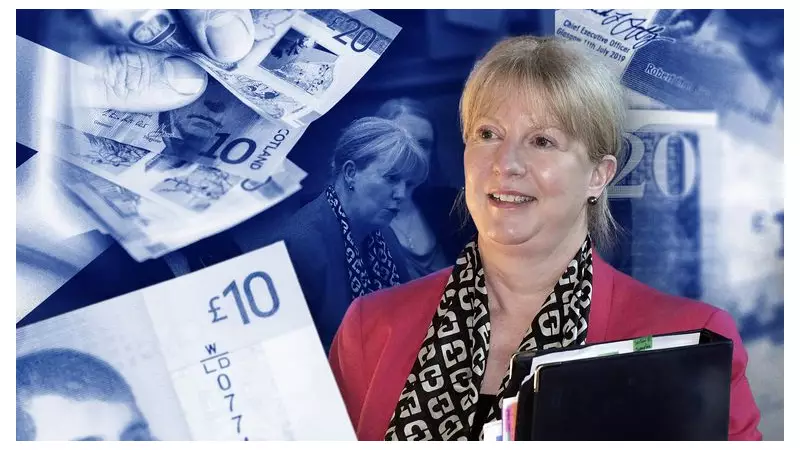
The Scottish Government has laid out its financial plans for the 2026-27 period, presenting a draft budget laden with election-year promises just four months before the nation heads to the polls at Holyrood. Finance Secretary Shona Robison unveiled the spending blueprint on Tuesday 13 January 2026, framing it as a plan for a "more prosperous Scotland" that prioritises families.
Key Winners: Families and Low-Income Earners
The Scottish Child Payment will see a significant rise, increasing to £40 per week for families with a child under one year old. This change, set for the beginning of the 2027-28 financial year, marks a jump from the current rate of £27.15. The benefit for low-income households will also continue to rise with inflation. Ms Robison stated the extra support aims to help parents through the costly and critical first year of a child's life.
Another flagship pledge is the rollout of breakfast clubs. The government has committed funding to establish them in every primary and Additional Support Needs (ASN) school by August 2027. This move is intended to help parents access earlier work shifts and ensure children start the day with a meal.

Income Tax Changes: A Mixed Picture
The budget delivers a tax cut for lower earners. The thresholds for the basic (20%) and intermediate (21%) income tax rates will increase by 7.4%, rising to £16,537 and £29,526 respectively. This adjustment is designed to pull some workers into lower brackets and shield others from higher bills.
However, the freeze on thresholds for higher bands continues. The Scottish Fiscal Commission estimates the lower-rate changes will cost £50m, while the ongoing freeze on higher bands is projected to bring in an extra £200m in 2028-29. The government expects the number of taxpayers in the higher, advanced, and top bands to climb from 728,000 in 2025-26 to 834,000 in 2026-27.
This policy has drawn fierce criticism. Scottish Conservative shadow finance secretary Craig Hoy accused the SNP of "clobbering middle-income workers," arguing that nurses, teachers, and police officers on modest salaries are being unfairly dragged into the higher tax rate.
The Losers: High-Value Property Owners and Private Flyers
From April 2028, two new council tax bands will target expensive homes. Band I will apply to properties valued between £1m and £2m, and Band J to those above £2m. The government states this "targeted change" affects fewer than 1% of households and aims to improve fairness at the top end of the system.
In transport, a new airport departure tax will be implemented by April 2027, with rates initially matching the UK government's. Furthermore, a specific tax on private jet travel is slated to come into force after April 2027. Ms Robison said this ensures those choosing to fly privately "pay a fair share for that privilege."
With the Holyrood election looming in May 2026, the fate of these proposals hinges on the SNP retaining power. The budget sets clear battle lines, offering immediate support to families and lower earners while promising to extract more revenue from wealthier individuals and luxury consumption.