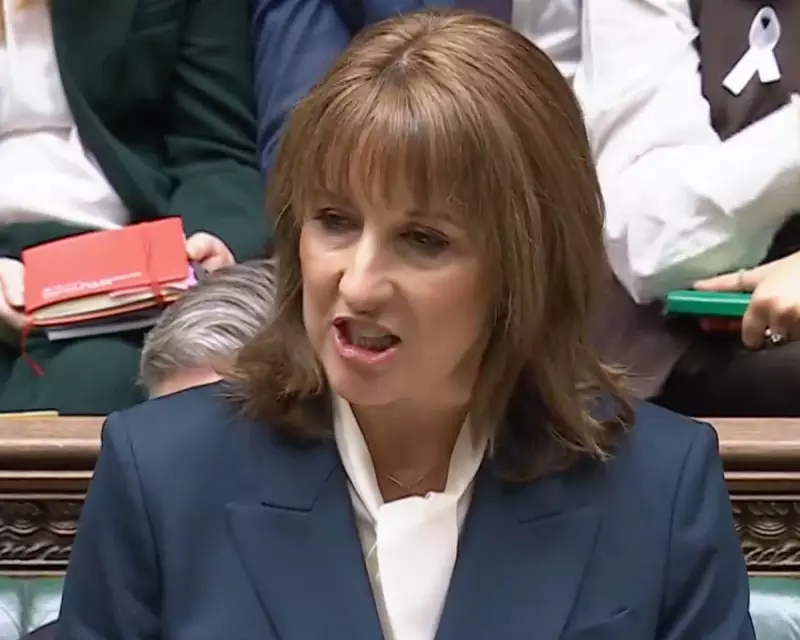
Chancellor Rachel Reeves's carefully orchestrated budget statement faced an early wrecking ball as the Office for Budget Responsibility (OBR) published its detailed forecasts hours ahead of schedule, undermining the Treasury's planned reveal.
A Budget of Labour Choices and Economic Reality
For a Labour supporter who had missed the past sixteen months of political developments, Wednesday's budget might have delivered comforting familiarity. The Chancellor announced what she termed "Labour choices" including a form of mansion tax through council tax reforms, scrapping the controversial two-child benefit limit, increased NHS funding, and immediate cost-of-living relief through cheaper utility bills.
Yet the path to this substantial tax-and-spend budget has been marked by significant policy reversals and political uncertainty. The winter fuel allowance saw cuts followed by restoration, £5 billion in proposed welfare reductions were floated then abandoned, and numerous policy pitches emerged during what observers describe as the longest budget lead-up in recent memory.

The OBR Downgrade and £26bn Tax Rises
The impetus for Reeves's latest round of tax increases, totalling £26 billion by 2029-30, came from a summer reassessment by the OBR, which has consistently overestimated UK productivity since the 2008 financial crisis. The budget watchdog attributed persistent weakness to Brexit, COVID-19, and erratic government investment patterns.
When finally revealed, the OBR's downgrade proved less severe than anticipated, partly offset by higher-than-expected wages and inflation that boosted tax revenues. The net impact on public finances amounted to just £5.5 billion - insufficient to erase the Chancellor's fiscal headroom.
Nevertheless, Reeves proceeded with substantial tax measures, bluntly stating: "I am asking everyone to make a contribution." She defended this approach by emphasising reforms aimed at ensuring wealthier individuals pay their fair share, questioning why landlords should face lower tax rates than their tenants and why investment income should be taxed more lightly than employment earnings.
Economic Strategy: From Long-Term Investment to Immediate Relief
The Chancellor's economic approach has shifted noticeably from her first budget. Previously focused on public investment in infrastructure and planning reforms to boost productivity, Reeves now confronts more immediate pressures.
With major forecasters including the International Monetary Fund predicting the UK will experience higher inflation than any other G7 country this year and next, the Chancellor targeted direct cost-of-living measures. The OBR calculated that freezing train fares and prescription costs while moving green levies off energy bills could reduce headline inflation by 0.4 percentage points.
This forms the core of Reeves's economic strategy: by reducing living costs and strengthening public finances - doubling her fiscal headroom to £21.7 billion - she aims to calm bond markets, lower government borrowing costs, and pave the way for Bank of England interest rate cuts expected on 18 December.
In an optimistic scenario, this budget could restore consumer and business confidence, boost real wages, and reignite economic growth, potentially allowing some planned tax increases to be avoided if improved growth provides fiscal relief.
Market Reaction and Economic Challenges
The initial market response appeared positive, with 10-year government bond yields falling 0.06 percentage points to 4.42%, suggesting bond investors were reassured by the Chancellor's commitment to fiscal discipline.
However, this tax-raising budget confronts an economy that managed growth of just 0.2% in the third quarter. Public trust remains low, businesses continue to worry about hiring costs following last year's surprise increase in employer National Insurance contributions, and the OBR's forecasts suggest continued sluggish growth and bleak living standards prospects.
The zigzag path from last July's initial statement - which included cuts to winter fuel payments - through abandoned disability reductions to Wednesday's declaration that everyone must contribute has done little to improve the national mood.

While the bond vigilantes who constituted one crucial audience for this budget appeared satisfied, it will take months to determine whether households and businesses - whose confidence is essential for economic recovery - will respond similarly.