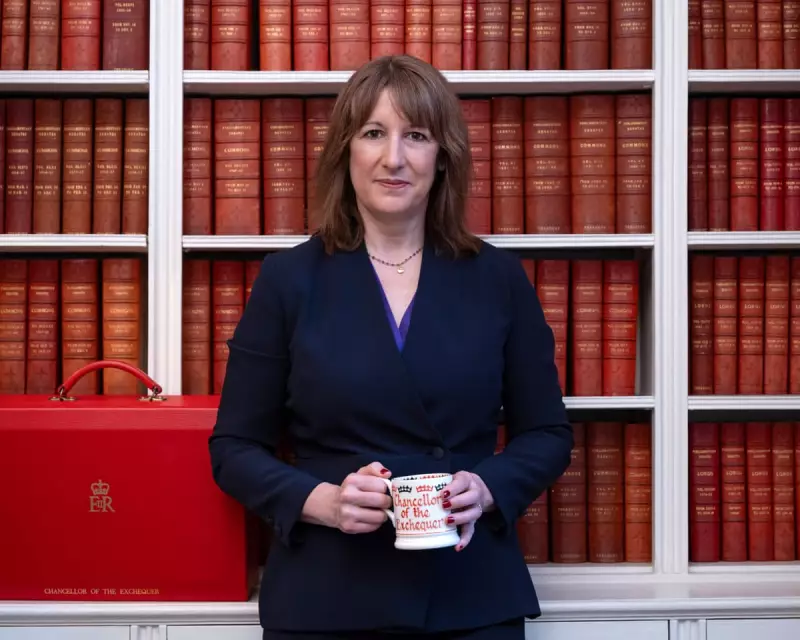
Chancellor Rachel Reeves has declared that Britain's wealthiest citizens must bear the responsibility for financing the reconstruction of the country's deteriorating public services, following her controversial budget decisions that increased taxes by £26 billion.
Defending Fair Budget Choices
In an exclusive interview, the Chancellor staunchly defended her approach to the recent budget, emphasising that she made 'fair and necessary choices' by prioritising investment in essential services rather than implementing spending reductions. Reeves revealed she consciously rejected pressure to 'cut our cloth accordingly' after the Office for Budget Responsibility delivered downgraded productivity forecasts.
'I wasn't willing to cut public services because people voted for change at the election,' Reeves told the Guardian, highlighting her commitment to protecting capital spending for new schools, hospitals, and critical energy and rail infrastructure projects.

Confronting Economic Challenges
The Chancellor faced significant scrutiny regarding her decision-making process, particularly after the OBR questioned her claims about abandoning income tax increases due to improved forecasts. The independent budget watchdog pointed out that Reeves had known about the economic projections well before changing her tax plans.
Reeves explained her philosophy: 'People often talk about what chancellors do in their budget, but sometimes what's more important are the things you don't do.' She emphasised that protecting public investment was crucial for addressing Britain's weak growth trajectory and productivity challenges.
The Chancellor directly addressed concerns about the tax burden distribution, stating: 'It's quite clear that the economic burden in the budget was not about age. It was about wealth. People who bear more of the burden are those with big incomes and assets.'
Navigating Political and Economic Pressures
Amid internal Labour party tensions and speculation about leadership challenges, Reeves dismissed concerns about her political future and that of Prime Minister Keir Starmer. 'I just don't think it is a mainstream thing in the parliamentary Labour party,' she commented, warning that frequent leadership changes would be detrimental to the country.
The Chancellor also addressed several contentious policy decisions:
- Defended the £3 billion annual cost of reversing welfare cuts and lifting the two-child benefit cap
- Explained the compromise on workers' rights legislation to ensure passage of enhanced protections
- Committed to reforming the special educational needs system without focusing primarily on cost savings
Regarding the controversial leak of OBR forecasts before the budget announcement, Reeves described it as 'a bit of a scary moment' that could have significantly impacted financial markets. Despite the tension, she maintained confidence in OBR chairman Richard Hughes and stressed the importance of independent economic institutions.
As taxes approach historic highs, Reeves declined to specify whether further increases might be necessary, instead focusing on her strategy of targeting wealth rather than age or income level to fund the country's pressing infrastructure and public service needs.