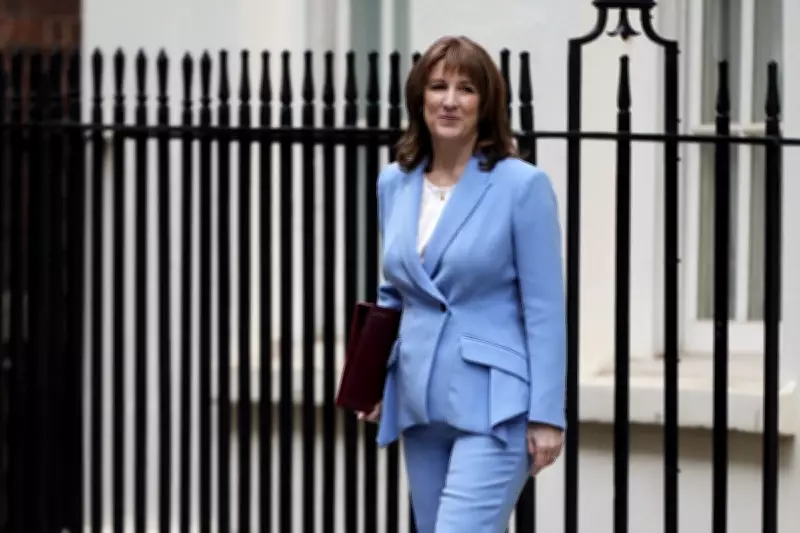
Chancellor Rachel Reeves has pledged "greater support" for Britain's poorest households through a new energy subsidy package, as global oil supply fears escalate following a devastating attack on Iran's key export hub, Kharg island. The announcement comes amid soaring energy costs and geopolitical tensions that threaten to destabilize markets further.
Targeted Support for Vulnerable Communities
Reeves revealed that the Treasury has "found the money" to fund a targeted program aimed at assisting those not covered by the existing energy price cap. This includes rural communities reliant on heating oil, who have faced disproportionate financial strain. The Chancellor emphasized a tiered approach, ensuring aid reaches those most in need.
"When I entered office, there was no money left," Reeves told The Times. "Interest rates were excessively high, and our borrowing costs outpaced other nations. It has taken eighteen months to stabilize our position. Now, we have secured funds to support individuals unprotected by the price cap, prioritizing those who require it most."

Geopolitical Shockwaves from Iran
The Chancellor's remarks coincided with President Trump's declaration that U.S. forces had "obliterated" Kharg island, which accounts for approximately 90% of Iran's oil exports. This military strike has intensified concerns over oil supply disruptions, with prices already surging over 40% since the onset of the conflict, surpassing $100 per barrel.
Trump's online statement warned, "The United States Central Command executed one of the most powerful bombing raids in Middle Eastern history, destroying every military target on Kharg Island. I have opted not to target oil infrastructure, but any interference with Strait of Hormuz passage will prompt immediate reconsideration." Iran retaliated by threatening to destroy its own energy facilities if attacked, exacerbating fears of a broader crisis.
Economic Vulnerabilities and Government Debt
Reeves cautioned that public finances remain fragile, citing the "cost" of Russia's war in Ukraine on government debt payments. Projections indicate the UK will pay lenders up to £110 billion in the current financial year, a sharp rise from under £60 billion in 2021-22. This underscores the precarious balance between supporting citizens and managing fiscal liabilities.
Following the 2022 gas price shock, the previous Conservative administration implemented a nearly £50 billion support package to alleviate household bills. Reeves noted that the Treasury has time to refine its strategy, as the next energy price cap will be set in May and take effect in July. She also mentioned keeping fuel duty "under review," preferring not to unfreeze it immediately.
Broader Implications and Market Reactions
Analysts warn that the attack on Kharg island could trigger a severe price shock, potentially worsening inflation and economic downturn risks. Trump's deployment of 5,000 American troops to the region has fueled speculation about U.S. intentions to control oil production and trade, adding to market volatility.
As global tensions mount, Reeves' energy support package represents a critical intervention for vulnerable Britons, yet its success hinges on navigating the turbulent intersection of domestic policy and international conflict. The coming months will test the government's ability to shield households from escalating energy costs while addressing broader economic challenges.