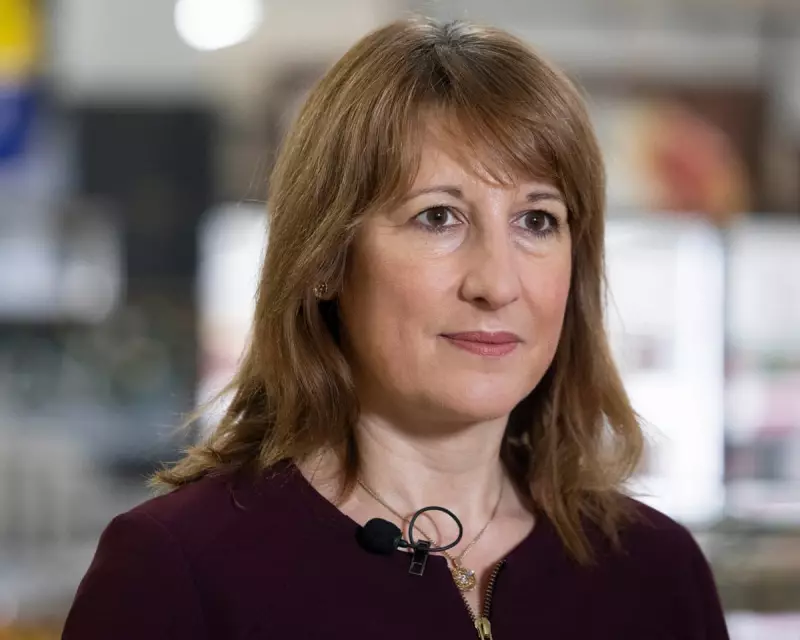
Chancellor Rachel Reeves is facing mounting pressure from political opponents to implement more extensive taxation on Britain's wealthiest individuals as she prepares to deliver her crucial autumn budget this Wednesday.
Budget Promises and Political Pressure
The Labour Chancellor has pledged to "grip the cost of living" in her upcoming financial statement, acknowledging that the economy "feels stuck" for many ordinary families struggling with persistent high prices. Reeves revealed her intentions through weekend publications in both the Mirror and Sunday Times, outlining her dual approach of providing cost of living support while raising taxes to address a significant £20 billion financial shortfall.
Despite previously indicating she wouldn't need to introduce further tax increases following last year's rise in employer national insurance contributions, the Chancellor is now preparing a substantial tax-raising package. However, she has notably retreated from considering direct income tax hikes, which had been under serious consideration for several weeks.

Proposed Tax Measures and Criticisms
The Chancellor's likely tax measures include extending the freeze on income tax thresholds for an additional two years until 2030, a move that will inevitably draw more earners into higher tax brackets as wages continue to rise. Other proposals involve reducing the generosity of salary sacrifice schemes, implementing higher taxes on premium properties through surcharges, and introducing a pay-per-mile scheme for electric vehicles to compensate for declining petrol duty revenues.
These plans have attracted criticism from across the political spectrum. Green Party leader Zack Polanski expressed frustration during his appearance on BBC's Sunday With Laura Kuenssberg, stating: "It's absolutely outrageous it has taken the Labour government so long to do it" regarding the proposed measures, while demanding "tough choices for multimillionaires and billionaires."
Unite general secretary Sharon Graham similarly urged Reeves to "be Labour" by implementing a proper wealth tax and revising fiscal rules to enable government borrowing for investment purposes. She emphasised that "everyday people cannot pay any more" and called for a fairer distribution of the tax burden.
Conservative Opposition and Economic Context
Meanwhile, Tory leader Kemi Badenoch has accused the Chancellor of implementing stealth taxes through the proposed threshold freezes, suggesting this approach breaches Labour's manifesto commitment not to increase taxes on working people. Former Conservative chancellor Jeremy Hunt highlighted concerns about wealthy individuals leaving the country due to taxation pressures, citing billionaire Lakshmi Mittal's reported decision to depart as a significant example.
Prime Minister Keir Starmer, currently attending the G20 summit in South Africa, declined to guarantee that future Labour budgets would avoid tax increases, instead emphasising his desire for the budget to focus on "growth and stability" as fundamental pillars.
The autumn budget represents Reeves' second major financial statement since taking office, coming at a time when many households continue to grapple with the ongoing cost of living crisis and economic uncertainty.