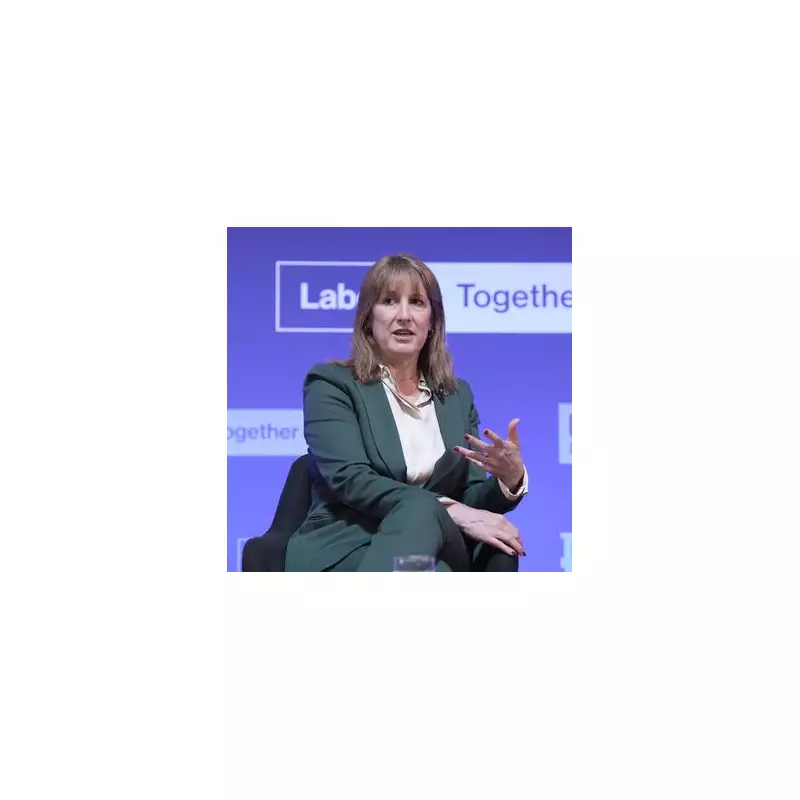
Chancellor's Tax U-turn Sparks Market Reaction
Chancellor Rachel Reeves has dramatically abandoned plans to increase income tax in this month's Budget following concerns about voter backlash and opposition from backbench Labour MPs. The reported U-turn comes just weeks after Ms Reeves had strongly hinted that tax rises might be necessary to avoid what she described as "deep cuts" to public investment.
The Financial Times revealed that the Chancellor has dropped the controversial tax hike proposal, which had been expected to help bridge a fiscal black hole estimated at up to £50 billion. The decision was formally communicated to the Office for Budget Responsibility on Wednesday as part of the Budget preparation process.
Cabinet Colleague Defends Chancellor's Approach
Culture Secretary Lisa Nandy, who has known Ms Reeves for a considerable time, offered insight into the Chancellor's character during media appearances. While avoiding direct commentary on the Budget specifics, Ms Nandy emphasised that Reeves "won't play fast and loose with people's money" and takes her promises seriously.

Speaking to BBC Breakfast, Ms Nandy stated: "As somebody who sits around that Cabinet table, who has discussions with Rachel and has known her for a long time, I can tell you that she does take her promises seriously, and she will do everything that she can to make sure that those choices are the fairest possible choices."
Earlier on Times Radio, she had framed the Budget decisions as being "about making the fairest possible choices so that we can help the economy to grow, and we can also ease the pain that people have been put through over the last decade-and-a-half."
Market Impact and Political Fallout
The speculation surrounding the tax U-turn has already triggered significant market reactions. UK government bonds experienced a sell-off, with yields on 30-year gilts rising 14 basis points to 5.37% in early trading. Similarly, 10-year gilt yields increased by 12 basis points to 4.56%.
The pound also weakened against major currencies, falling 0.3% to 1.313 US dollars and dropping 0.3% against the euro to 1.128. These market movements highlight the sensitivity of investors to fiscal policy uncertainty.
Economists have expressed concerns about the implications of backing away from tax increases. Ben Zaranko of the Institute for Fiscal Studies warned that the decision carries "considerable risks," including potential "damaging economic impacts" and increased likelihood of future U-turns driven by pressure from "angry interest groups."
The proposed income tax increase would have represented a breach of Labour's manifesto commitment not to raise income tax, national insurance, or VAT. This prospect had already drawn criticism from within the party, with deputy leader Lucy Powell warning it would damage "trust in politics."
Conservative leader Kemi Badenoch described the reported U-turn as "good (if true)" but cautioned that "one retreat doesn't fix a Budget built on broken promises." Meanwhile, Liberal Democrat Treasury spokeswoman Daisy Cooper characterised the move as an "11th hour screeching U-turn" but acknowledged it might spare families from "yet another punch in the stomach Budget."
With the self-imposed rules on debt and borrowing still in place, and having ruled out both austerity-style spending cuts and major tax increases, the Chancellor now faces the challenge of identifying alternative revenue sources. The Financial Times suggested that reducing income tax thresholds while maintaining current rates could generate billions for the Treasury without technically breaking manifesto pledges.