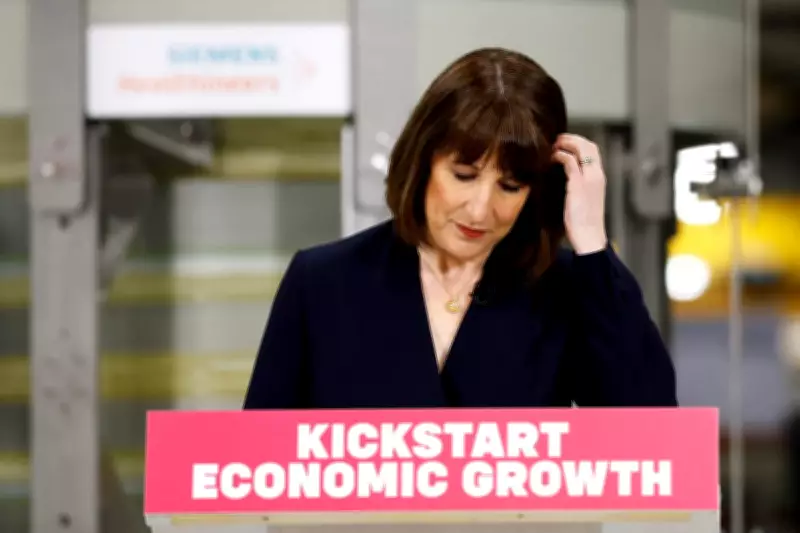
Chancellor Rachel Reeves to Present Growth Strategy in Major Economic Address
Today marks a pivotal moment as Chancellor Rachel Reeves prepares to deliver the annual Mais Lecture at Bayes Business School in the City of London. This highly anticipated speech comes at a critical juncture for the British economy, which has shown concerning signs of stagnation in recent months.
Economic Growth Trends Raise Concerns
The latest economic data reveals a troubling pattern in the nation's growth trajectory. Gross Domestic Product (GDP) growth stood at 0.2 percent in November, then declined to 0.1 percent in December. By the end of January, the growth rate had completely flatlined at zero percent. While these are preliminary monthly figures subject to potential revision, the downward trend is unmistakable and warrants serious attention from policymakers and economic observers alike.
Reeves' Vision for Economic Revival
In her Spring Statement earlier this year, Chancellor Reeves hinted at the comprehensive strategy she would unveil in today's lecture. She promised to outline "three major choices that will determine the course of our economy into the future." The Chancellor's plan focuses on several key areas designed to stimulate growth and innovation across the United Kingdom.

The strategy emphasizes building a foundation for sustainable economic expansion, championing technological innovation through substantial investments in artificial intelligence and quantum computing, and forging a deeper, more productive relationship with the European Union. These initiatives represent significant political and economic choices that could shape the nation's prosperity for years to come.
Contrasting Rhetoric with Fiscal Reality
This is not the first time Rachel Reeves has addressed the Mais Lecture audience. In 2024, when she served as Shadow Chancellor, she warned that without meaningful economic growth, policymakers would face "almost impossible trade offs" in budget decisions. She emphasized to BBC interviewers at the time that "you can't just tax and wait [for] better public services."
However, since becoming Chancellor, Reeves has implemented tax increases totaling approximately £60 billion across her first two budgets—£40 billion in the initial budget followed by an additional £20 billion in the subsequent one. Despite these substantial revenue measures, the economy has failed to demonstrate any significant growth momentum, creating a disconnect between earlier warnings and current fiscal policy.
Business Community Proposes Alternative Growth Measures
Alongside the Chancellor's emphasis on technological investment and state-led economic strategy, business leaders have proposed more immediate, practical measures to stimulate growth. The BusinessLDN group's newly established Growth Commission has put forward several recommendations that could provide more immediate economic stimulus.
These proposals include a comprehensive review of the United Kingdom's tax competitiveness framework, complete abolition of stamp duty on share transactions, gradual phasing out of the bank surcharge and bank levy, and a thorough examination of regulatory barriers that currently impede housing construction. Business advocates argue these measures would inject much-needed dynamism into the economy while sending a clear signal that Britain recognizes the urgency of its economic challenges.
The Growth Imperative Demands Action
As Chancellor Reeves takes the podium today, the economic landscape presents both challenges and opportunities. The nation's growth emergency requires not just visionary thinking about future technologies, but also practical, implementable policies that can deliver results in the near term. The business community's proposals offer concrete steps that could complement the Chancellor's broader strategy, creating a more comprehensive approach to economic revitalization.
Today's lecture will reveal whether the Chancellor's message matches the urgency of the economic situation and whether her plans contain both the bold vision and practical measures needed to reverse the current growth stagnation. The success of these initiatives will determine not just short-term economic performance, but the United Kingdom's competitive position in the global economy for years to come.