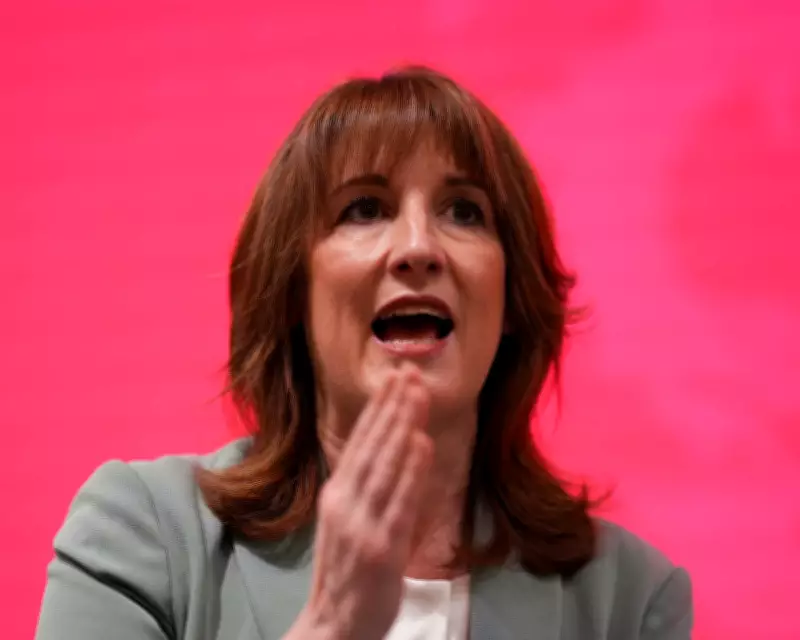
Chancellor Rachel Reeves is planning to cancel a rise in fuel duty this week as part of a package of measures to reduce the cost of living, according to government sources. The move would prevent a 1p increase scheduled for September and could also cancel all of a 5p rise planned over the following six months.
Background on Fuel Duty
At the last budget, Reeves announced a freeze on fuel duty for nine months but planned to end a temporary 5p cut first introduced by Rishi Sunak in 2022 after Russia's invasion of Ukraine. The cut was due to expire in September. However, the chancellor has faced mounting pressure to extend the 5p reduction, which costs the government an estimated £2.4 billion annually.
Pressure from Cost of Living Champion
Richard Walker, executive chair of Iceland supermarket and the government's cost of living champion, recently called for extending the cut. Speaking on BBC Radio 4's Today programme, he said: "The 5p fuel duty cut is an interesting one. That's going to expire in September. I think, given where we are, we do need to be thinking and talking about extending it or enlarging it."

Wider Measures to Mitigate Inflation
The fuel duty decision is part of a broader plan to counter inflation driven by the war in Iran. Reeves is expected to announce the package to the Commons on Thursday. The prime minister's spokesperson declined to comment on specifics but stated: "The government is determined to keep costs down for motorists paying more because of the war in Iran. While the chancellor will continue to monitor the situation, a rapid de-escalation in the Middle East remains the best way to keep pump prices low."
Other Options Considered
Reeves has explored additional measures to keep prices low, including freezing private sector rents and subsidising energy bills. However, officials have ruled out a rent freeze. Energy bill relief is expected to be announced later in the year, as the price cap is fixed until the end of June. The chancellor has already allocated £50 million to subsidise heating oil for families in rural areas, particularly in Northern Ireland.
Political Context
The announcement comes amid significant uncertainty for the government, with Greater Manchester mayor Andy Burnham preparing to contest the Makerfield byelection on a platform challenging Keir Starmer for Labour leadership. Burnham has focused on affordability, stating: "Forty years of neoliberalism created an economy that didn't work for most working people. It led to people paying over the odds for the daily basics – energy, housing, water, transport."