Reeves' Spring Statement 2026: A Missed Economic Opportunity for UK Growth
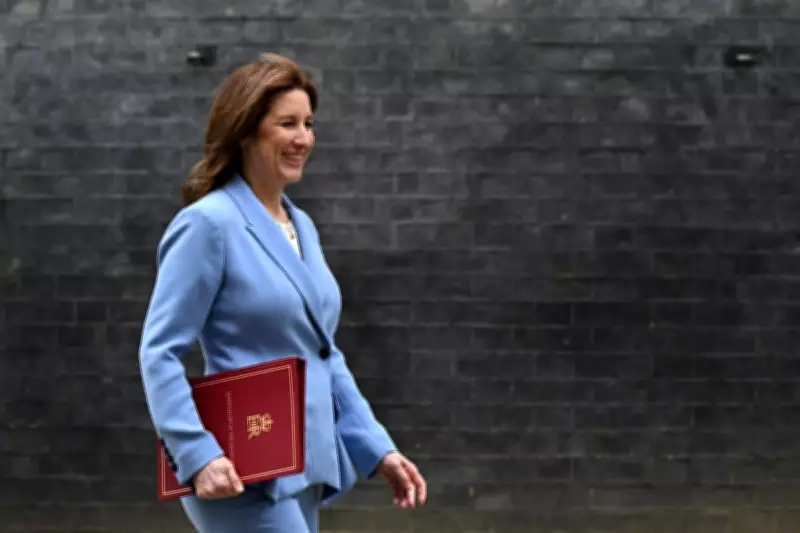
Chancellor Rachel Reeves' Spring Statement delivered to the House of Commons on March 3, 2026, represented yet another significant missed opportunity for substantive economic reform. The statement, which Reeves reportedly intended to be a "non-event," succeeded precisely in that regard—offering little beyond political rhetoric while failing to address the pressing challenges facing the United Kingdom's economy.
Forecast Revisions Signal Economic Weakness
The Office for Budget Responsibility's updated forecasts revealed troubling trends that the Spring Statement failed to adequately address. Near-term growth projections have been revised downward, while unemployment forecasts have been adjusted upward. Although these revisions partly reflect reduced projections for net inward migration and a welcome decrease in economic inactivity as more individuals seek employment, the fundamental reality remains unchanged: per capita growth remains feeble, and job creation continues to lag behind needs.
Inflation is projected to decline slightly more rapidly than anticipated in November 2025, but the OBR attributes this improvement to "greater slack in the economy, and lower food and energy prices" rather than any new government initiatives. Furthermore, these forecasts have already been rendered obsolete by recent surges in energy prices following escalating tensions in the Middle East.

Fiscal Headroom Remains Precariously Thin
The updated OBR projections show a marginal improvement in fiscal headroom, theoretically leaving the government with approximately £24 billion in spare capacity to meet its primary fiscal targets. However, this margin remains dangerously slim, relying on optimistic assumptions about economic growth, government spending, and revenue collection during the final years of the forecast period.
The recent spike in oil and natural gas prices threatens to delay anticipated reductions in interest rates, potentially triggering renewed increases in government borrowing costs. With such limited fiscal flexibility, even minor economic setbacks could force the Chancellor to implement additional tax increases during the Autumn Statement.
Three Critical Policy Omissions
The Spring Statement notably neglected three crucial policy areas that demand immediate attention:
- Employment Policy Shortcomings: The statement offered insufficient acknowledgment of how government policies have discouraged hiring and contributed to rising unemployment. While Chancellor Reeves appears to recognize that substantial minimum wage increases have adversely affected youth employment prospects—leading to reports that the manifesto commitment to eliminate "discriminatory age bands" may not be fulfilled during this parliamentary term—this realization comes disappointingly late. Employers continue to face mounting costs through higher taxes and increased regulatory burdens under the Employment Rights Act.
- Absent Spending Control Strategy: No credible plan emerged to rein in government expenditure, particularly in major budget areas including welfare, pensions, and healthcare. The continued postponement of difficult decisions becomes increasingly risky given growing demands for enhanced defense funding.
- Energy Policy Disarray: The government's energy strategy remains fundamentally flawed. While renewable energy may represent the future, current disruptions to Middle Eastern fossil fuel supplies underscore the urgent need to utilize existing domestic oil and gas reserves more effectively.
A Non-Event That Could Have Been Transformative
Chancellor Reeves achieved her apparent objective of delivering a Spring Statement that would generate minimal controversy. Few economists genuinely believe that adjusting tax and spending plans twice annually based on five-year forecasts—which even the OBR acknowledges will likely prove inaccurate—represents sound fiscal management.

Nevertheless, this statement constituted another squandered opportunity to implement courageous policies that could have stimulated economic growth and strengthened public finances. Instead of offering bold solutions, the government opted for political safety—a choice that may prove costly as economic challenges continue to mount.
Julian Jessop is an independent economist providing analysis on UK fiscal and economic policy developments.