Chancellor's Fiscal Discipline Meets Energy Market Turmoil
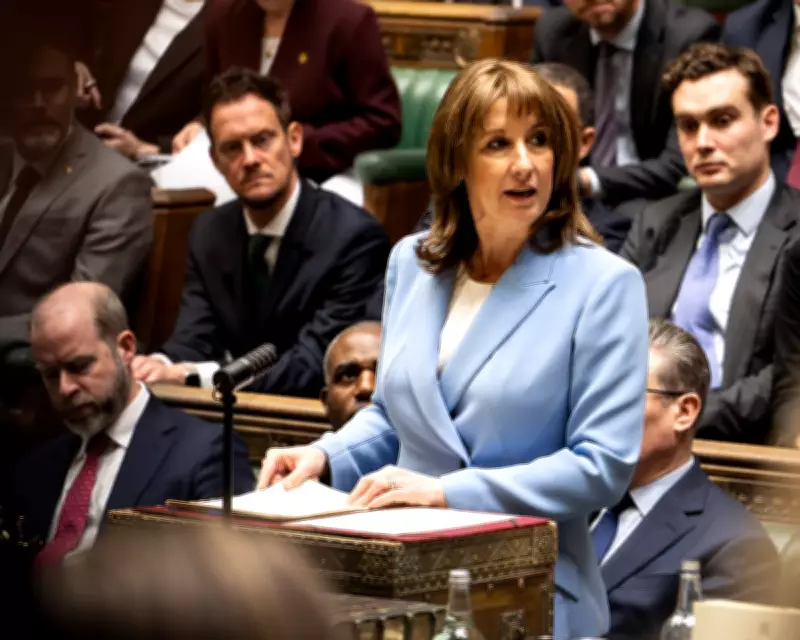
Chancellor Rachel Reeves delivered her spring budget statement this week, advocating for strict fiscal discipline as Britain faces mounting economic pressures. Her central message emphasized the need for stability, arguing that maintaining fiscal credibility with bond markets is essential for keeping government borrowing affordable. However, this approach is being tested by external shocks that threaten to undermine household finances and public services.
Energy Price Surge Exposes Economic Vulnerabilities
The ongoing conflict in the Middle East has triggered significant increases in oil and gas prices, creating immediate challenges for the British economy. As a nation deeply integrated into global energy markets, Britain remains particularly exposed to these fluctuations. The Office for Budget Responsibility released projections that were finalized before recent military escalations, leaving significant uncertainty about how sustained price increases might affect inflation, business costs, and household energy bills.
Reeves acknowledged that household bills might rise but provided little detail about how her policies would adapt if energy shocks persist. The fundamental economic question becomes: who absorbs the inevitable loss when real incomes decline due to external price pressures? The options include households through reduced spending power, businesses through squeezed margins, or the state through increased deficits.

Fiscal Rules Under Scrutiny
The chancellor's commitment to fiscal discipline comes with significant implications. The OBR projects that borrowing will decline, but this relies on two key assumptions: taxes reaching post-Second World War highs by 2030-31, and departmental spending shrinking as a percentage of GDP after 2027-28. This creates a challenging scenario where both household budgets and public services face real pressure unless economic growth substantially exceeds expectations.
Critics argue that privileging fiscal credibility might signal a preference for households absorbing economic shocks rather than the state intervening. The Joseph Rowntree Foundation warns that real incomes could fall between April 2025 and 2029, potentially making the chancellor's stability message ring hollow for many citizens.
Balancing Market Confidence with Social Purpose
Reeves stated that "if fiscal choices are to command public support, they must be seen to serve a social purpose, not just bond markets." This tension between market expectations and social needs lies at the heart of current policy debates. The chancellor will ultimately be judged on how she manages potential economic crunches, particularly whether her decisions are perceived as fair and equitable.
Recent history offers important lessons. Eighteen months of policy reversals demonstrate that future economic burdens should not fall disproportionately on those least able to bear them. Proper taxation of windfall gains could represent a reasonable first step toward more balanced burden-sharing.
Long-Term Solutions Beyond Fiscal Rules
The Middle East conflict highlights Britain's continued vulnerability to fossil fuel markets, strengthening the case for substantial investment in renewable energy and grid infrastructure. Sustainable insulation from energy shocks requires transitioning away from fossil fuel dependence rather than expanding North Sea drilling operations.
Fiscal rules themselves represent political choices, as demonstrated when Reeves modified them in October 2024. Other nations including the United States, Australia, Canada, and Japan adopt broader fiscal objectives that serve economic goals rather than arbitrary financial ratios. The primary concerns should be inflation control, external balance maintenance, and productive capacity enhancement rather than strict adherence to predetermined fiscal metrics.

Locking in rigid fiscal rules while the central bank increases borrowing costs may not represent prudent economic management. Instead, it could grant financial interests disproportionate influence over democratic policymaking processes. If energy prices continue their upward trajectory, the true test will not be how quickly public debt can be reduced, but how effectively living standards can be protected and public services sustained during challenging economic conditions.