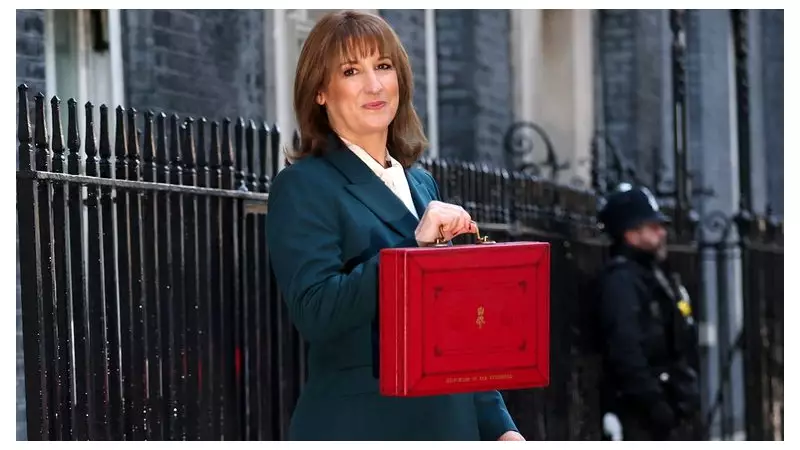
The Treasury has officially announced that Chancellor Rachel Reeves will deliver the government's spring budget statement on 3 March 2026. The event, formally termed the "spring forecast," is set against a backdrop of persistent economic anxiety and the lingering fallout from November's controversial budget.
A Shift to One Major Fiscal Event
In a significant change of practice, the Treasury stated the government is now committed to holding only one major fiscal event per year, which is the autumn budget. Consequently, the upcoming spring statement will not include a full assessment of the government's performance against its fiscal mandate.
Instead, it will function as an interim update, providing a snapshot of the economy and the state of the public finances. Chancellor Reeves has formally requested the independent Office for Budget Responsibility (OBR) to prepare its economic and fiscal forecast for publication on the same day, 3 March.

Political Pressure and Past Controversy
The announcement of the date sets the stage for another high-stakes political moment for the Chancellor. The event is highly anticipated due to continuing concern over the UK's economic health and the significant controversy that surrounded the November 2025 budget.
That budget was dominated by announcements of tax increases, including an extension to the freeze on income tax thresholds. This move prompted fierce accusations that the Labour government had broken a key manifesto pledge not to raise taxes for working people.
Ms Reeves also faced criticism for her rhetoric in the run-up to the autumn statement, where she repeatedly warned of a severe downgrade to the UK's productivity forecasts. It later emerged that the OBR had informed her in mid-September that the public finances were in a better shape than widely believed, although the Chancellor denied misleading the public, stating she had been "upfront" about constrained fiscal space.
Scrutiny on the Budget Watchdog
All eyes will be intensely focused on the OBR itself during this spring forecast process. The independent watchdog is under renewed scrutiny following a major security lapse before the November budget.
The OBR accidentally published detailed contents of that budget nearly an hour before the Chancellor stood up in the House of Commons to announce it. The subsequent fallout was severe:
- Richard Hughes, the Chairman of the OBR, resigned over the incident.
- An investigation concluded the early release was due to "leadership failings" over security protocols, not a malicious cyber-attack.
This history ensures that both the substance of the March forecast and the conduct of the OBR will be under a microscope. While the Treasury insists the spring event will be a lighter update, recent history shows these statements can be consequential; the last spring statement saw the then-chancellor announce welfare cuts, new funding for defence and construction training, and a crackdown on tax avoidance.
The stage is now set for a critical early-year test of the government's economic strategy and the Chancellor's political resilience.