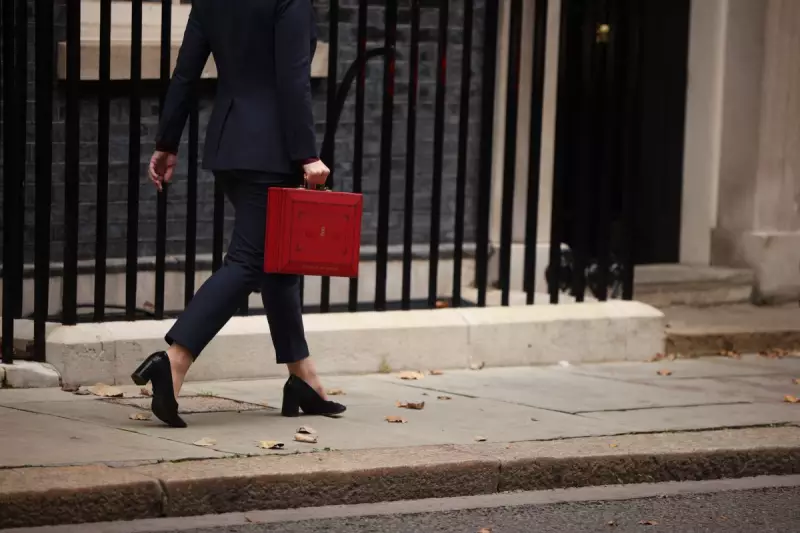
Chancellor Rachel Reeves is fast-tracking legislation to implement significant changes to pension taxation in a bid to stabilise nervous financial markets, despite the measures not taking effect until April 2029.
Emergency legislation timeline
The Treasury plans to rush through laws enacting Budget measures before Christmas, according to Financial Times reports. While Budget measures typically pass through a general finance bill, separate legislation covering national insurance changes will be introduced within the "next few weeks," confirmed a Treasury official.
One minister stated: "We want markets to know this is all definitely happening, there can be no doubt about that." The accelerated timeline aims to prevent shaky markets from losing confidence in tax rises ahead of the general election, which must occur by summer 2029.

Salary sacrifice scheme overhaul
The reforms specifically target salary sacrifice schemes, which allow employees to reduce their salary in exchange for higher pension contributions. These arrangements have been particularly popular among workers with young families seeking to remain below the £100,000 threshold to retain free childcare hours.
From April 2029, the government will cap the exemption at £2,000 per employee annually, arguing the current system doesn't benefit minimum wage workers. The Treasury maintains the scheme disproportionately advantages wealthy individuals, particularly "those in the financial services sector putting their bonuses into pensions tax-free."
Financial impact and worker consequences
The pension tax raid is projected to raise £4.8 billion in the 2029-2030 financial year, with an additional £2.5 billion the following year.
However, analysis from investment platform Finder reveals the changes will disproportionately affect ordinary workers. An average earner on £39,039 contributing the recommended 15% through salary sacrifice could lose £215 from their annual take-home pay. Those earning £52,720 would be hardest hit, facing a £341.80 reduction.
In contrast, someone earning £75,000 saving 15% would see their take-home pay decrease by only £140, as higher earners face just a 2% national insurance charge.
Approximately 7.7 million workers currently use salary sacrifice schemes, with employees at most of Britain's largest employers taking advantage of the arrangement.
Industry figures have expressed confusion about removing pension saving incentives during a national retirement crisis. A Treasury official countered: "These reforms will protect low and middle earners and bring fairness to a scheme that is disproportionately benefiting the wealthy and exploding in cost."
Reeves is also moving quickly to close a loophole on "low value imports" used by online retailers to ship goods tariff-free, despite these changes not taking effect until April 2028.