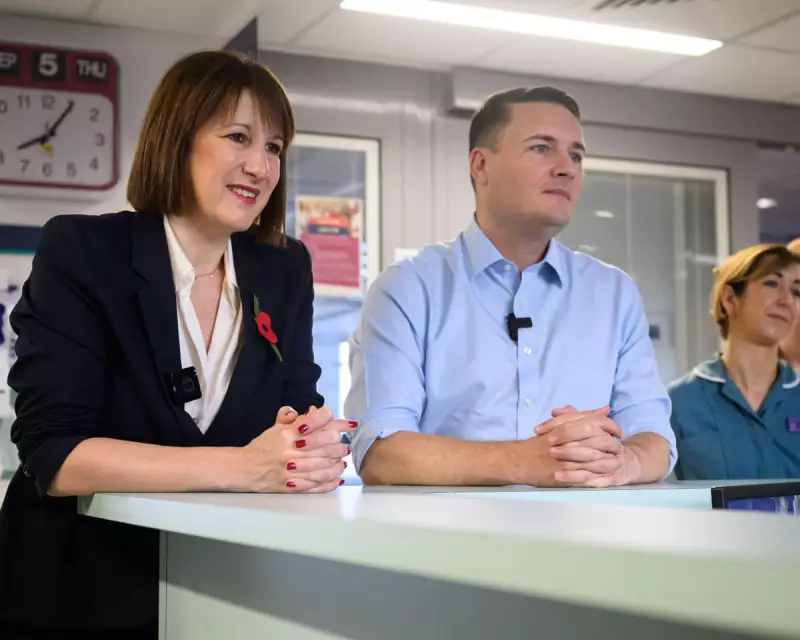
Chancellor Rachel Reeves has formally rejected a plea from Health Secretary Wes Streeting for an emergency £1 billion cash injection to cover mass redundancy payments within the NHS. This decision represents a significant setback for the health secretary, who had been engaged in behind-the-scenes lobbying within Whitehall to secure the funds.
Behind the Scenes of the Funding Dispute
The Treasury has instead permitted the Department of Health and Social Care (DHSC) to overspend its current budget by approximately £1 billion for this financial year. However, this arrangement comes with a major caveat: the department will receive correspondingly less money in the 2026-27 financial year, meaning there is no new cash overall for the health service.
Streeting had spent months attempting to persuade the Treasury to grant additional funding. This money was intended to enable the NHS's 42 integrated care boards to begin slimming down their role, a process that involves making about half of their 25,000 staff redundant. The requested £1 billion was crucial to finalise this workforce reduction, a process originally scheduled for completion by the end of December.

The funding would also cover payoffs for an unknown number of employees at NHS England, which is slated for abolition and merger with the DHSC in 2027. The entire redundancy programme had ground to a halt due to disagreements over who should foot the bill.
Broader Financial Pressures on the NHS
This dispute over redundancy funding is set against a backdrop of wider financial strain. Last month, NHS bosses in England informed ministers that they needed an additional £3 billion this year to cover several unforeseen costs. These included the redundancy programmes, strikes by resident doctors—with a five-day walkout starting this Friday—and rising drug prices.
Sources indicate that the Treasury had offered a deal to the DHSC. It proposed providing extra money for redundancies if the department agreed to absorb the significant and likely costly price increases for medicines internally. However, no agreement was reached on these terms.
Confirmation and Reaction
Despite the funding rejection, Wes Streeting is set to confirm that the care board redundancy programme is finally beginning. He will make the announcement during a speech at the annual conference of NHS Providers in Manchester on Wednesday.
He will tell the audience that the abolition of 18,000 administrative posts is a key part of "stripping away endless red tape and bureaucracy" and is projected to save the NHS £1 billion a year by 2029.
The DHSC confirmed the situation, stating, "funding arrangements have been agreed with HM Treasury and will be from within the existing funding settlement." It added that NHS services would be protected and that "We will not be cutting any investment to the NHS, frontline or backroom."
Jim Mackey, NHS England’s chief executive, responded positively, saying, "This is good news for NHS staff and patients, allowing our organisations to move forward and provide greater certainty about the future for all our staff and leaders."
However, the union representing many affected managers expressed concern. Jon Restell of Managers in Partnership stated, "Today’s redundancy funding announcement ends months of inaction by the government which have caused avoidable distress to our members... The fate of important care board functions, such as continuing healthcare, remains uncertain."