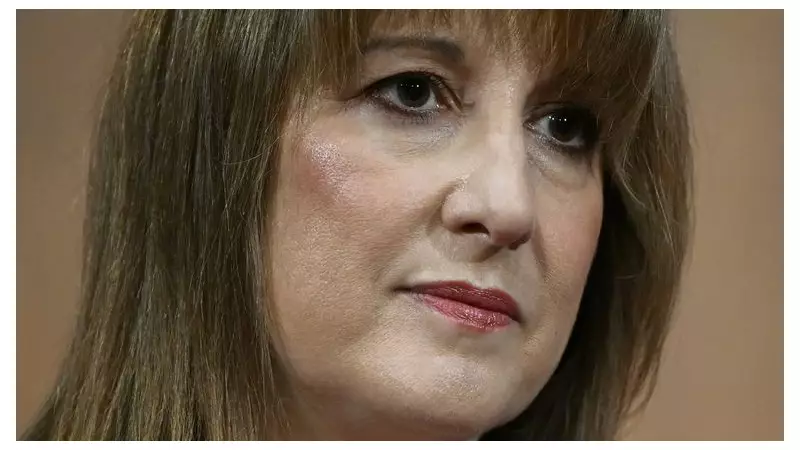
Chancellor Rachel Reeves has made a firm commitment to address the ongoing cost of living crisis, even as she prepares to unveil tax increases in her upcoming budget.
Budget Promises and Fiscal Reality
In a newspaper column, the Chancellor acknowledged that high prices disproportionately affect ordinary families and admitted the economy feels stuck for many people. She emphasised that controlling inflation represents a fundamental prerequisite for economic growth and making families better off.
However, this pledge comes with a significant fiscal challenge. On 26 November 2025, when she presents her economic policies, Ms Reeves is expected to raise taxes to bridge a multibillion-pound gap in government spending plans.

Welfare Reform and Immediate Relief
The Chancellor outlined plans to transform the welfare system from one that traps millions on benefits to one designed to help people succeed. She stressed the urgent need for direct government action to ease household pressures.
In a move providing immediate relief to commuters, the government has announced that rail fares will be frozen for the first time in thirty years. This freeze applies to England and services operated by English train operators, saving commuters on more expensive routes over £300 annually.
Political Reactions and Manifesto Concerns
Among the anticipated budget measures is an extension of the freeze on income tax thresholds. This fiscal drag would pull more people into paying tax for the first time or push them into higher tax brackets as their wages increase.
Conservative leader Kemi Badenoch has sharply criticised this approach, suggesting Ms Reeves should have the courage to admit that such moves would breach Labour's manifesto promise not to raise taxes on working people.
The Chancellor remains firm in her position, arguing that delivering on the promise to make people better off requires getting inflation under control first, even if difficult decisions about taxation become necessary.