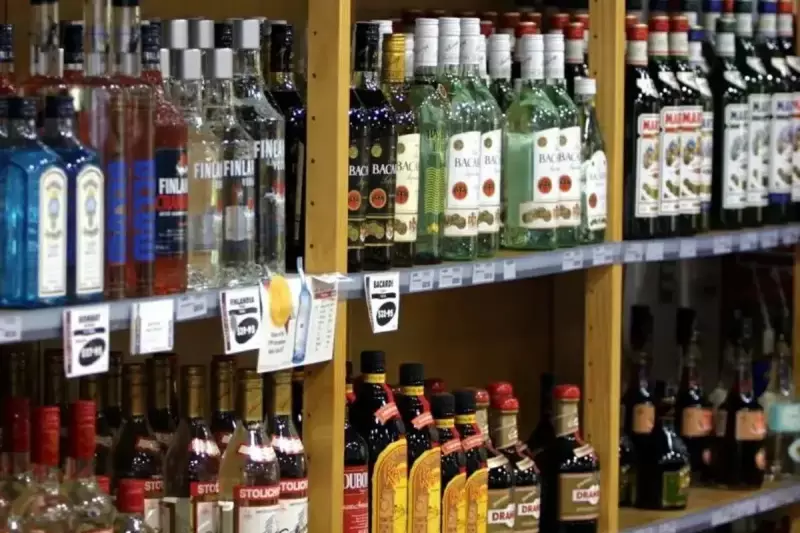
Chancellor Rachel Reeves is reportedly considering implementing a second consecutive alcohol duty hike in this year's Autumn Budget, following a similar move last year that increased costs for consumers.
Budget Pressures and Tax Increases
According to LBC reports, the Chancellor is examining raising alcohol duties in line with the Retail Prices Index (RPI) inflation rate, currently standing at 4.5 per cent for the year to September. This measure aims to address an estimated £30 billion fiscal shortfall while building additional financial headroom for the Treasury.
The potential increase would mirror last year's budget decision, which saw duties rise by 3.6 per cent, adding up to 54p to the price of wine bottles and gin. While some beer duty rates experienced reductions in cash terms during the previous adjustment, the broader alcohol sector faces renewed pressure.

The Treasury maintained its position of not commenting on budget speculation when approached by LBC, though the reported figures indicate a significant potential impact on consumer prices.
Political and Industry Backlash
Both Labour and Conservative MPs have expressed concerns to broadcasters that increased alcohol taxes could jeopardise the survival of pubs across the country. The British Beer and Pubs Association has issued a stark warning, projecting that one pub could close every day throughout 2025 based on current trends.
Meanwhile, the Liberal Democrats have proposed an alternative approach, calling for a five per cent VAT reduction to boost footfall at pubs and restaurants. Deputy leader Daisy Cooper argued that "those small joys – the ones that make life worth living – are becoming an unaffordable luxury for too many" amid rising living costs.
The party suggests funding this tax cut through a proposed windfall tax on banks, which they estimate could generate approximately £30 billion over five years.
Industry Lobbying Intensifies
Alcohol industry bodies have significantly ramped up their campaigning efforts against potential duty increases. Organisations representing the Scotch whisky industry have written directly to the Chancellor, urging her to freeze spirits duty rather than implement further increases.
Liz Camero, chief executive of the Scottish Chambers of Commerce, emphasised that "a duty freeze is not a handout. It is an investment in British business, British exports, and British jobs."
UK Hospitality has joined the chorus of concern, warning of substantial job losses throughout the pub sector if additional tax burdens are imposed.
Forecasting Challenges and Revenue Concerns
The Office for Budget Responsibility (OBR) faces complex calculations in its upcoming forecasts, particularly regarding expected revenue from sin taxes. OBR analysts acknowledged in a July review that excise and fuel duties were "overestimated at each forecast" between 2022 and 2023, suggesting potential moderation in this year's projections.
Separate analysis by tax specialists at accountancy firm UHY Hacker Young reveals that sin taxes have declined as a proportion of total government revenue, falling from approximately 4.3 per cent to 2.8 per cent. This trend may indicate that the government isn't generating the anticipated income from increasing taxes on products like alcohol.
Additional briefings in newspapers have cast doubt on revenue projections from other sin taxes, suggesting that higher gambling levies might not achieve the £3 billion figure cited by former Prime Minister Gordon Brown in his campaign to remove the two-child benefit cap.