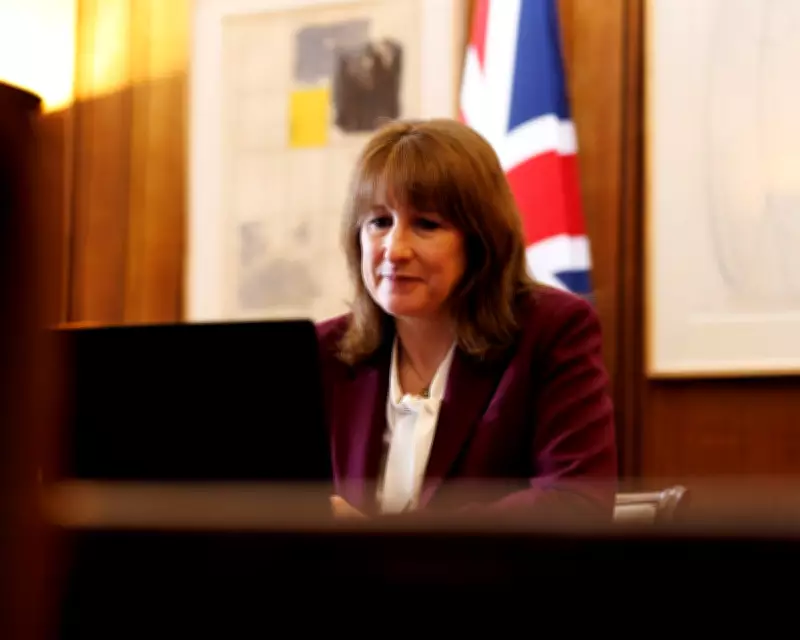
British Chancellor Rachel Reeves has issued a stark warning that the escalating conflict between the United States and Iran in the Middle East is likely to trigger a significant rise in UK inflation. This development comes as global oil prices have surged beyond $100 per barrel for the first time since 2022, placing additional pressure on household budgets already strained by the ongoing cost-of-living crisis.
Government Prepared to Intervene Amid Energy Price Volatility
Both Chancellor Reeves and Prime Minister Keir Starmer have indicated that the government stands ready to implement measures to shield UK families from severe financial shocks caused by the volatile energy market. Starmer emphasized that a prolonged US-Iran war would inevitably affect "the lives and households of everybody" across the nation, underscoring the administration's commitment to proactive planning to mitigate economic fallout.
Ministers are actively exploring various strategies to alleviate the burden of rising energy bills. Among the potential actions under consideration is the cancellation of a scheduled 5p increase in fuel duty this autumn, a move that would provide immediate relief to motorists and businesses grappling with escalating transportation costs.

Treasury Backs Coordinated Release of Oil Reserves
Following discussions with G7 finance ministers, Chancellor Reeves confirmed that the Treasury is prepared to support a coordinated release of collective oil reserves through the International Energy Agency. This strategic measure aims to stabilize global oil markets and counteract the inflationary pressures stemming from supply disruptions in the Middle East.
"I will take the necessary decisions to help families with the cost of living and protect the public finances," Reeves declared in a statement to Members of Parliament. "I am clear-eyed about my response to the current situation. My economic approach will both be responsive to a changing world and responsible in the national interest."
Targeted Support for Vulnerable Households
The chancellor also revealed that the government will engage in discussions regarding specific mitigations for families who rely on heating oil and are not protected by the standard energy price cap. Additionally, the Treasury has summoned petrol forecourt executives to address concerns over potential price gouging, ensuring that consumers are not unfairly exploited during this period of market instability.
Edmund King, President of the Automobile Association (AA), advised drivers to maintain their regular refuelling routines but suggested considering reductions in non-essential journeys and adopting fuel-efficient driving techniques to conserve resources. Meanwhile, Simon Williams, Head of Policy at the RAC, reported that pump prices have "rocketed" in recent weeks, with petrol increasing by 5p to 137.5p per litre and diesel rising by 9p to 151p per litre since the crisis began.
Long-Term Economic Vulnerabilities Exposed
Prime Minister Starmer highlighted the government's intention to "get ahead, to look around the corner, to work with others" in addressing the economic challenges posed by the Middle East conflict. He acknowledged that sustained hostilities could have profound implications for the UK economy, affecting every household and business across the country.
While most UK households are temporarily shielded by the energy price cap, the nation's significant reliance on Middle Eastern gas imports renders it particularly vulnerable to supply chain disruptions. The effective blockade of the Strait of Hormuz, a critical transit route for approximately 20% of the world's liquid natural gas, underscores the geopolitical risks that could exacerbate inflationary trends and strain public finances in the coming months.