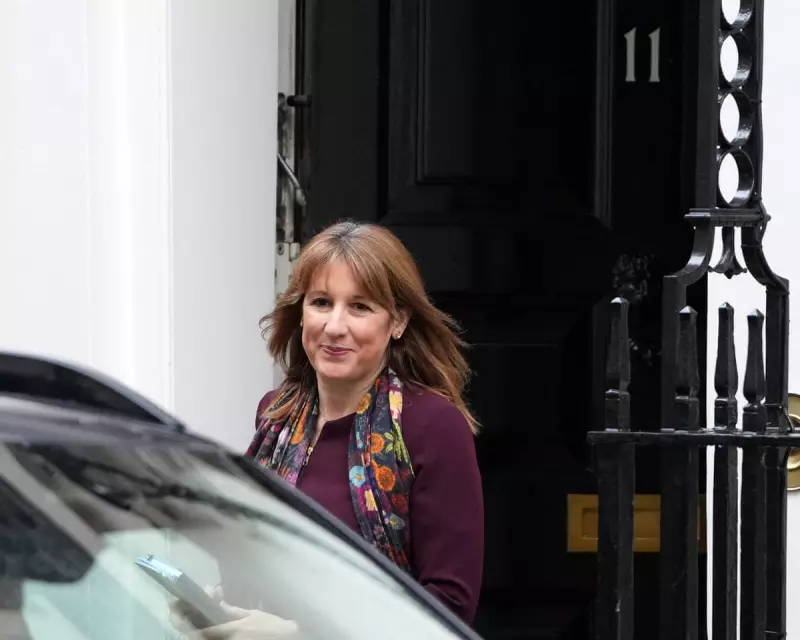
Chancellor Rachel Reeves is set to announce a major offensive against benefit fraud, aiming to recover £1.2 billion by identifying incorrect Universal Credit payments. This move forms a central part of her budget strategy, presented alongside the controversial decision to scrap the two-child limit on benefits.
A Dual Approach to Welfare
The budget reveals a dual strategy. On one hand, the government will fully abolish the two-child limit for Universal Credit, a policy long criticised by Labour MPs for its role in exacerbating child poverty. This measure is estimated to cost the Treasury £3 billion.
Concurrently, Reeves will launch a stringent crackdown on fraud and error within the welfare system. The initiative, which involves extending targeted case reviews, is projected to secure £1.2 billion in savings by 2031. A Treasury source stated, "We will never tolerate fraud, error or waste in the welfare system – every pound of taxpayers’ money should be spent with the same care with which working people spend their own."

Political Crossfire and Tax Implications
The Chancellor's plans have drawn immediate political fire from across the spectrum. The Conservative party leader, Kemi Badenoch, accused the government of planning to "increase your taxes to fund more welfare."
Meanwhile, the Liberal Democrats warned that the anticipated freeze on income tax thresholds would drag an estimated 9 million earners into higher tax bands by 2030, arguing ordinary people were being "milked for their hard-earned cash."
Pressure is also mounting from the left. The Green party and Unite's general secretary, Sharon Graham, have demanded a more substantial wealth tax. Graham went so far as to suggest that neither Reeves nor Keir Starmer should remain in their posts if the budget fails to adequately target the richest in society.
Pension Increases and Future Reforms
In a bid to rebuild trust with older voters, the budget will confirm a significant rise in state pensions. The increase, underpinned by Labour's commitment to the triple lock, will be worth more than £550 a year—an extra £120 compared to a simple inflation-linked rise.
Reeves has also signalled a continued commitment to welfare "reform," though substantial changes are not expected until after two major reviews report back next year. These will examine disability benefits and support for young people not in employment.
Other budget measures include freezes on rail and prescription fees, alongside a suite of tax rises such as extending the freeze on income tax thresholds and introducing new levies on expensive properties and electric vehicles.