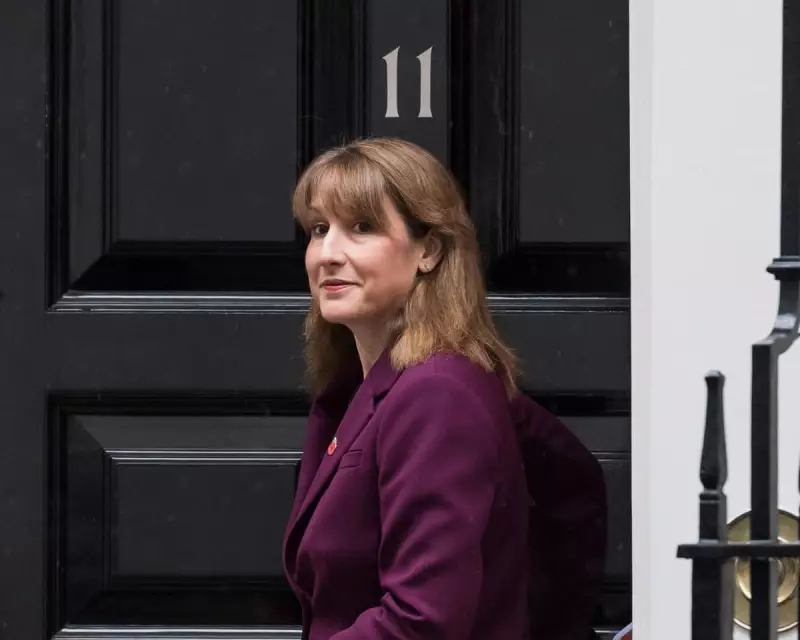
Chancellor Rachel Reeves is preparing to deliver one of the most anticipated and heavily briefed budgets in recent political memory, facing the immense challenge of plugging a £20 billion financial shortfall while adhering to Labour values and appeasing a restive parliamentary party.
The 'Hokey Cokey' Budget: What's In, What's Out?
The lead-up to this budget has been described by the Speaker of the House, Sir Lindsay Hoyle, as a "hokey cokey budget: one minute something is in, the next minute it is out." This characterisation highlights the unusual level of speculation and behind-the-scenes briefing that has marked the process. Guardian economics editor Heather Stewart noted, "I don't remember a run-up to a budget that's been as wild as this one in terms of speculation."
Reeves herself has expressed frustration with the process, stating she is "sick of people mansplaining how to be chancellor," while insisting her plans prioritise the NHS, the cost of living, and public debt.

Key Measures Expected in the Budget
Facing a £20bn hole, the Chancellor has abandoned a bold plan to raise income tax by up to 2p—a move that would have broken a key manifesto pledge and carried massive political risk. Instead, Treasury sources indicate she is seeking a buffer of around £15 billion through a series of smaller, yet significant, tax increases.
Extended Income Tax Threshold Freeze: One of the most substantial revenue-raising measures is expected to be the extension of the freeze on income tax thresholds for an additional two years, until 2030. This stealth tax, which was initially introduced by the Conservatives, drags more earners into higher tax bands as wages rise with inflation. It is projected to raise £7.5 billion a year.
Council Tax Revaluation for High-Value Homes: In a move some have dubbed a "mansion tax," Labour is reportedly planning to revalue the most expensive properties in England, targeting council tax bands F, G and H. The revaluation would start for properties valued at over £2 million, affecting an estimated 100,000 homes. The revenue would go directly to the Treasury, not local councils, and would likely be a flat fee of a few thousand pounds annually.
Scrapping the Two-Child Benefit Cap: In what would be a major progressive victory, the Chancellor is heavily expected to announce the scrapping of the controversial two-child benefit limit. This policy, a symbol of Tory austerity, restricts welfare payments for the third and subsequent children in a family, and is blamed for driving child poverty. Latest figures show it affects 1.7 million children.
The Political Backdrop and Cost of Living Relief
This budget arrives at a critical juncture for the Labour government, with the Prime Minister under significant pressure from his own party. As Heather Stewart explains, "Today's budget is a really important moment in this battle for the future of the government and the party." Presenting a budget that Labour MPs see as progressive and in line with party values is a key political objective.
To address persistent voter anxiety, several cost of living measures are anticipated:
- A freeze on rail fares, saving commuters on expensive routes over £300 a year.
- A freeze on the cost of NHS prescriptions in England at £9.90.
- A new 3p per mile tax for electric vehicles to compensate for lost fuel duty, alongside a £1.3bn subsidy for EV purchases.
The ultimate success of this budget will be judged not only by the reaction of MPs but also by the stability it demonstrates to the bond markets. As the Chancellor lays out her plans, the nation watches to see if she can successfully navigate this complex financial and political tightrope.