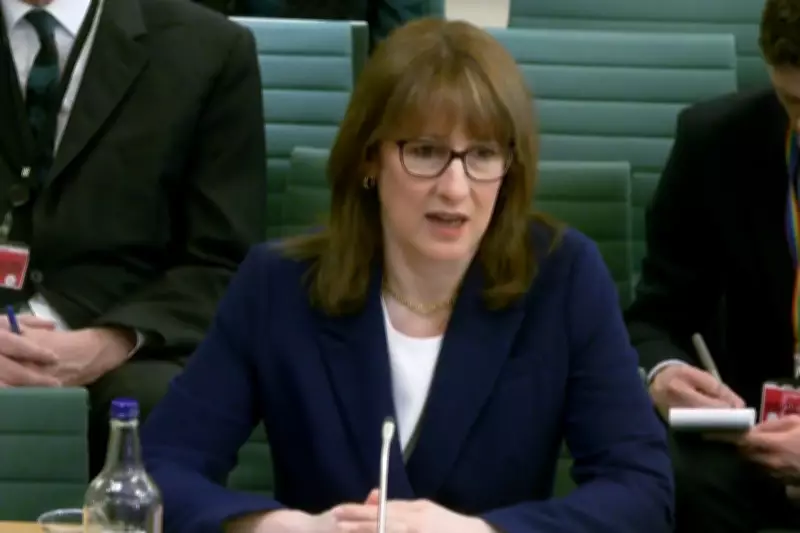
Chancellor Rachel Reeves has strongly suggested that the government possesses the financial capacity to deliver a substantial energy support package aimed at shielding British households from escalating energy prices. Appearing before the Treasury Committee on Wednesday, Reeves acknowledged that the ongoing conflict in Iran is "certainly not good" for the UK economy but emphasized the administration's readiness to intervene with support measures for consumers.
Fiscal Flexibility for Household Bills
Reeves explicitly stated that her established fiscal rules "give scope for interventions" on household energy bills within the coming year. This comes as the next energy price cap set for April is expected to reduce costs for consumers, while the subsequent cap for July will be determined by regulator Ofgem in May. The Chancellor argued that any future support package would be "more affordable" compared to the previous government's £50 billion subsidy initiative launched after Russia's full-scale invasion of Ukraine in 2022.
Renewable Energy Strengthens UK Position
Reeves highlighted that the United Kingdom has significantly reduced its dependence on imported oil and gas by aggressively expanding domestic renewable energy production. This strategic shift makes the nation less vulnerable to volatile international energy markets. "We are in a stronger position in the energy market than where we were in 2022," Reeves declared. "Any future package, if it were necessary, would be more affordable. We are less reliant on energy price movements than when Russia invaded Ukraine because we have invested more in home-grown renewable energy, which is not subject to this price volatility."

The Chancellor later added, "Nothing is off the table at this stage," reinforcing the government's flexible approach to potential interventions.
Defending Net Zero Strategy
Reeves vigorously defended the government's accelerated push toward net zero emissions and the goal of achieving an almost carbon-free electricity grid by 2030. This stance comes despite criticism that supporting North Sea oil companies could enhance domestic energy security, boost investment, and improve the UK's balance of payments. The Chancellor confirmed there would be no immediate changes to the energy profit levy or the electricity generators levy, asserting these measures "play an important role in stabilising the cost of any intervention."
Tax Mechanisms Explained
The electricity generator levy is activated only on "exceptional receipts" when power is sold for more than £75 per megawatt-hour. Meanwhile, the energy profits levy, which taxes windfall profits of North Sea oil giants and raises their headline tax rate to 78 percent, is scheduled to be replaced by 2030 with a permanent oil and gas price mechanism that taxes companies during price surges. Instead of altering these levies, the government is focusing on diplomatic efforts to encourage the United States to "de-escalate" the Iran conflict and for the Trump administration to engage in negotiations with Iran.
Strategic Oil Reserve Negotiations
Reeves also revealed that the UK government is actively negotiating with other nations to release strategic oil reserves in response to recent price surges in global oil markets. She noted that finance ministers, energy ministers, and world leaders are convening daily to discuss strategies for managing oil and gas prices, which could impact household bills within months. "We are consulting with members right now on the release of strategic oil reserves," Reeves told MPs. "The UK is willing to play its part in using those reserves to put downward pressure on oil prices and ensure that supply remains strong."
Geopolitical Context
This development follows overnight reports that the United States destroyed 16 Iranian vessels laying mines in the Strait of Hormuz, a critical Middle Eastern passageway responsible for approximately one-fifth of the world's oil supply. Additionally, it has been reported that the International Energy Agency, of which the UK is a member, is preparing the largest release of strategic oil reserves in its history, underscoring the global scale of the response to market instability.