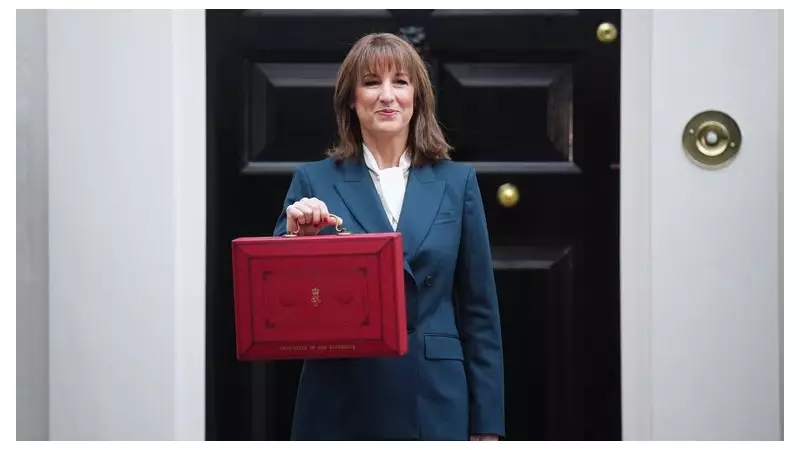
Chancellor Rachel Reeves is confronting intense political pressure and accusations of misleading the public after the official budget watchdog revealed the Treasury was forecasting a £4.2 billion surplus in the weeks before she announced a package of £26 billion in tax rises.
The OBR Timeline: A Shifting Fiscal Picture
The controversy erupted after Richard Hughes, the Chair of the Office for Budget Responsibility (OBR), took the unusual step of publishing the confidential forecasts provided to the Treasury. This timeline, detailed in a public letter, shows a rapidly improving financial situation.
On 17 September, the first forecast indicated a £2.5 billion deficit by the end of the parliament. However, by 20 October, this had transformed into a £2.1 billion surplus. The final forecast on 31 October, delivered before the budget was finalised, showed the public finances were in a net positive position of £4.2 billion.

The OBR explicitly stated that by the October forecast, both of the government's fiscal targets were on course to be met.
Contrasting Narratives: 'Black Hole' Warnings vs. Official Data
During this same period, the Chancellor was publicly painting a starkly different picture, warning of a significant fiscal black hole that necessitated tough decisions.
On 27 October, with the Treasury already aware the deficit had been wiped out, briefings to the Financial Times pointed to a £20 billion hit to public finances.
Days later, on 4 November, Ms Reeves held a dawn news conference in Downing Street, stating she wanted people to understand the circumstances we are facing and that weaker productivity performance meant we will all have to contribute.
As recently as 10 November, she told BBC 5Live that avoiding tax rises would require deep cuts in capital spending, setting the stage for what many believed would be an income tax increase.
Political Fallout and Mounting Pressure
The revelation has sparked a major political storm. Conservative leader Kemi Badenoch declared that the chancellor misrepresented the OBR's forecasts and sold her 'Benefits Street' budget on a lie, adding that she has to go.
The accusation has been given weight by independent economists. Paul Johnson, former director of the Institute for Fiscal Studies, told The Times that the Chancellor's 4 November news briefing probably was misleading and was designed to confirm a narrative that there was a fiscal hole that needed to be filled with significant tax rises.
The issue dominated Saturday's newspapers, with The Sun's front page branding her the Chancer of the Exchequer.
In her defence, the Prime Minister's spokesperson has insisted Ms Reeves did not mislead voters and properly set out her choices. In an interview with The Guardian, the Chancellor argued that OBR forecasts move around and confirmed that an income tax rise had been considered but ultimately rejected.
Meanwhile, Sir Keir Starmer is set to throw his full support behind his Chancellor in a speech on Monday, where he will praise the budget for ensuring economic stability and protecting public services.
Rachel Reeves is due to be grilled on these allegations in a round of Sunday morning interviews, where she will face tough questions about the chaotic run-up to a budget that has left markets and voters confused.