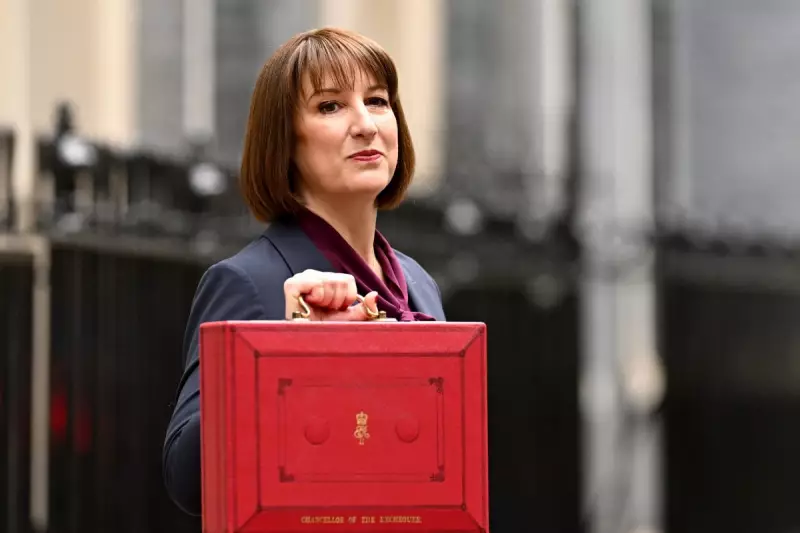
Chancellor Rachel Reeves faces an unprecedented fiscal challenge as she prepares to deliver next week's Budget, with Britain trapped in what experts call a 'debt doom loop'.
The Scale of Britain's Fiscal Crisis
According to a recent Policy Exchange report, public debt has reached nearly 100% of GDP, creating what the Chancellor herself describes as a 'black hole' in the nation's finances. The situation is particularly dire because debt interest payments alone are forecast to reach £111 billion in 2025-26, accounting for three quarters of the government's budget deficit.
With borrowing effectively off the table, the Chancellor confronts a stark choice between raising taxes or cutting spending. Current reports indicate Reeves intends to continue the freeze on income tax thresholds while implementing other tax increases, including changes to salary sacrifice schemes.

Why Tax Rises Would Be the Wrong Approach
Policy Exchange researcher Ticiana Alencar argues that increasing the tax burden on working people would violate the spirit of Labour's manifesto commitments and create disincentives for employment. Last year's increase in employers' National Insurance has already damaged business and employment prospects, leaving the economy vulnerable to further strain.
Meanwhile, public spending remains close to 45% of GDP - approaching post-war highs. The research suggests that lower spending combined with lower taxes typically drives better economic growth, aligning with one of Labour's core objectives.
The Triple Lock Alternative
One of the most significant potential sources of savings lies in pension reforms. The state pension triple lock guarantees annual increases matching the highest of CPI inflation, average earnings, or 2.5%. The Office for Budget Responsibility calculates this policy will cost £15 billion more annually by 2029-2030 than originally anticipated.
Policy Exchange analysis reveals that freezing the state pension for three years, then linking increases to CPI inflation, combined with means-testing pensioner benefits could save £26 billion annually by 2030. This approach would generate more revenue than freezing income tax thresholds or increasing income tax rates.
Recent YouGov polling indicates the public prefers spending cuts to tax rises by 43% to 31%, suggesting the politically difficult decision might find broader public support than anticipated. With a large parliamentary majority, the government has the opportunity to make the case for tough but necessary decisions serving the country's long-term interests.
The coming Budget presents Rachel Reeves with a defining choice: implement growth-damaging tax increases affecting working people and businesses, or reform unsustainable pension increases. The economically sensible path appears to be ending the triple lock, though the political ramifications remain significant.