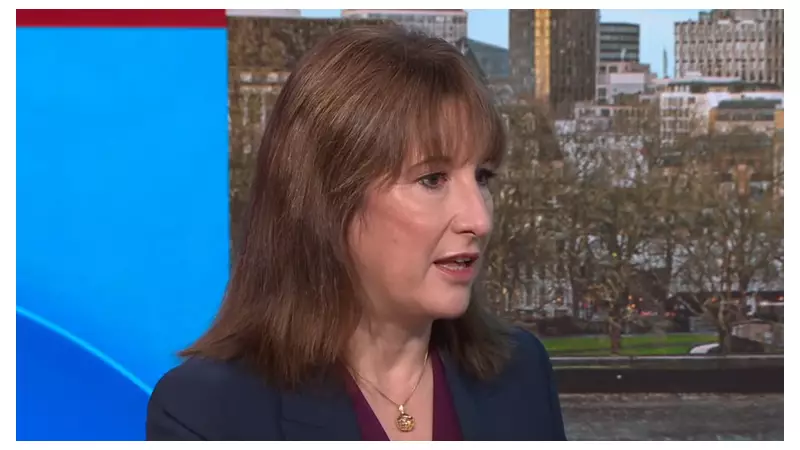
Chancellor Rachel Reeves has firmly denied allegations that she misled the British public about the state of the nation's finances ahead of her recent budget announcement.
Confrontation Over Financial Claims
In a tense interview with Sky News' Trevor Phillips, the Chancellor was directly asked if she had lied to the country during her Downing Street speech on 4 November. This speech laid the groundwork for subsequent tax increases, with critics arguing she presented a more dire fiscal picture than reality justified.
"Of course I didn't," Reeves stated emphatically when pressed on whether she had been deceptive. She maintained that she had been "honest and frank" with the public about the necessity of tax rises.

The £16bn Productivity Downgrade
Reeves defended her position by pointing to a critical assessment from the independent Office for Budget Responsibility (OBR). She explained that the OBR's decision to review and downgrade the UK's productivity forecast meant that projected tax receipts were approximately £16bn lower than previously anticipated.
This substantial shortfall, she argued, necessitated tax increases to create sufficient fiscal headroom. This term refers to the financial buffer that allows a government to increase spending or cut taxes without breaking its own fiscal rules, a measure Reeves claimed was essential for reassuring financial markets and ensuring economic stability.
The Contradiction and Defence
However, a significant contradiction emerged during the interview. The OBR has stated that it informed the Chancellor in its forecast on 31 October that there was actually a £4.2bn budget surplus, not a deficit, following the productivity downgrade.
When challenged by Phillips on why she did not communicate this surplus to the nation, Reeves shifted her argument. She contended that £4bn of headroom would not have been adequate to provide the Bank of England with the necessary space to continue cutting interest rates.
Reeves outlined three core objectives she communicated in her November speech that guided her budget decisions:
- Tackling the cost of living, achieved by reducing energy bills by £150 and freezing prescription charges and rail fares.
- Cutting NHS waiting lists by protecting NHS spending.
- Reducing government debt and borrowing, which required increasing fiscal headroom through tax measures.
"In the context of a downgrade in our productivity, which cost £16bn, I needed to increase taxes, and I was honest and frank about that," the Chancellor reiterated, standing by her original assessment and the subsequent budgetary decisions.