Chancellor Rachel Reeves has forcefully denied accusations that she misled the British public about the state of the nation's finances ahead of her latest budget announcement, while Conservative leader Kemi Badenoch has demanded her resignation over the controversy.
Budget forecast dispute intensifies
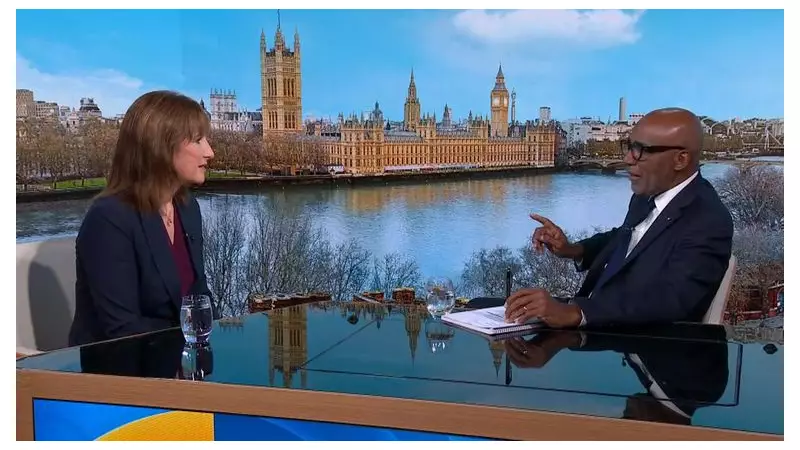
In a tense exchange with Sky News presenter Trevor Phillips, the chancellor directly addressed claims that she exaggerated the severity of the UK's fiscal situation during a crucial speech on 4th November that set the stage for significant tax increases. When questioned whether she had lied to the country, Reeves responded unequivocally: "Of course I didn't."
The political storm centres around Reeves' assertion that a productivity review by the independent Office for Budget Responsibility resulted in £16 billion lower tax receipt forecasts than initially expected. The chancellor maintained this necessitated tax increases to create essential fiscal headroom - the financial buffer required to maintain market confidence and economic stability.

OBR figures contradict chancellor's narrative
However, the OBR has revealed it actually informed the chancellor on 31st October that Britain had a £4.2 billion budget surplus rather than a financial black hole following the productivity assessment. This revelation has prompted critics to question why Reeves emphasised the negative aspects without acknowledging the underlying surplus.
Defending her approach, the chancellor outlined three key budget objectives: "tackling the cost of living, continuing to cut NHS waiting lists, and reducing national debt and borrowing." She argued that maintaining only £4 billion in headroom would have been insufficient and could have hampered the Bank of England's ability to continue cutting interest rates.
Tax U-turn sparks Conservative fury
The controversy deepened as Reeves faced scrutiny over her previous assurance that she would "never need to do that again" following last year's tax increases. Despite this pledge, her latest budget implements £26 billion in new tax rises, primarily through freezing income tax thresholds until 2031 alongside other measures.
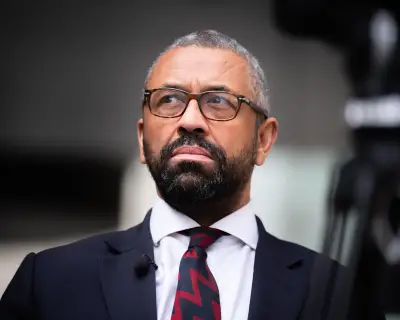
Conservative leader Kemi Badenoch launched a scathing attack, stating: "I think the chancellor has been doing a terrible job. She's made a mess of the economy, and she has told lies. This is a woman who, in my view, should be resigning."
Reeves conceded she had indeed promised no further tax rises but attributed the change to circumstances beyond her control, specifically pointing to the OBR's productivity review conclusions.
Child poverty measures defended
Amid the budget controversy, the chancellor vigorously defended her decision to lift the controversial two-child benefit cap from April, a move she claims will lift half a million children out of poverty. The policy, introduced by the Conservatives in 2017, had restricted universal credit claims to the first two children in a family.
When presented with polling showing only 37% of Labour voters from the 2024 election supported scrapping the cap, Reeves responded emphatically: "I am choosing children, Trevor." She highlighted complementary policies including free breakfast clubs, extended free school meals, and expanded childcare provisions.
Liberal Democrat deputy leader Daisy Cooper endorsed the move, calling it "morally the right thing to do" while acknowledging concerns about what she termed "stealth taxes" affecting households and high streets.
Badenoch countered that the approach was misguided, arguing that "taxing a lot of people who are struggling to pay for those on benefits" was not the solution to child poverty. She emphasised that economic growth and employment provided the sustainable path forward.
The chancellor confirmed that Prime Minister Keir Starmer was fully aware of both the fiscal forecasts and the content of her controversial 4th November speech, stating they had "met regularly to discuss the budget and the choices" facing the government.