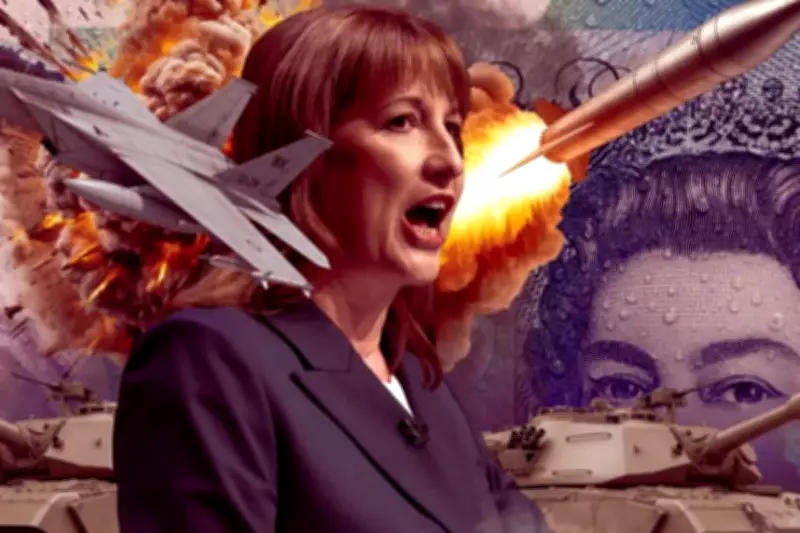
Chancellor Rachel Reeves delivers her Spring Statement today under the shadow of escalating Middle East hostilities, which are already sending shockwaves through global energy markets and threatening to derail economic forecasts. The conflict, described by former US President Donald Trump as "one of the largest, most complex, most overwhelming military offensives the world has ever seen," has forced Reeves to pivot from what was intended to be a low-key fiscal update to a crisis response.
Energy Price Surge and Inflation Fears
The immediate concern for the Chancellor is the sharp spike in energy prices, driven by disruptions in the Middle East. Gas prices surged dramatically yesterday after Qatar announced a production pause following an Iranian strike on its critical Ras Laffan complex. Compounding the issue, the Straits of Hormuz—a vital corridor for oil and liquified natural gas exports—has been effectively closed, exacerbating supply constraints.
If these price increases persist, UK household energy bills could soar to levels not seen since the early stages of Russia's invasion of Ukraine. This situation highlights ongoing debates about energy security, particularly the strategic implications of reducing reliance on domestic North Sea oil and gas reserves. The crisis is expected to push energy security to the forefront of political discussions in the coming weeks.

Economic Forecasts Under Pressure
The conflict threatens to reverse recent progress on inflation, which had been on a downward trajectory. Elevated fuel prices, coupled with potential disruptions to shipping and trade, could interrupt this trend, depriving Reeves of a key positive economic indicator she has relied on in recent months. The Chancellor must now craft an economic response that not only addresses these immediate pressures but also reassures both the public and financial markets.
Political Context and International Stance
Prime Minister Keir Starmer's approach to the conflict has drawn criticism for its perceived hesitancy. Unlike the left-wing leaders of Canada and Australia, who quickly endorsed American and Israeli actions over the weekend, Starmer sought a legal opinion before clarifying the UK's position. This has led to accusations that the UK has been reduced to a bystander in the crisis.
Armed with a legal interpretation of international law—a stance that remains hotly disputed—the UK is now participating in some defensive actions in response to what the Prime Minister terms Iran's "reckless" retaliation. Starmer is navigating a delicate political landscape, striving to satisfy both his MPs and Labour's support base while managing international relations.
Looking Ahead
Today's Spring Statement will be a critical test for Reeves as she balances economic stewardship with geopolitical instability. The Chancellor's ability to address energy security, inflation risks, and market confidence will set the tone for the government's economic policy in the months ahead. As war rages and markets tremble, the stakes for both the Chancellor and the Prime Minister have never been higher.