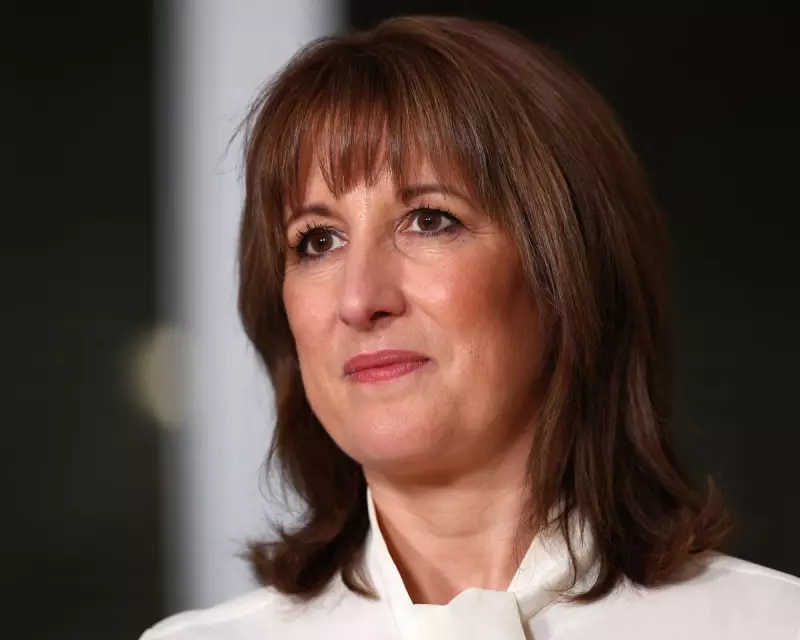
In the surreal political landscape that follows a budget announcement, Chancellor Rachel Reeves faced intense scrutiny on BBC Radio 4's Today programme, defending her fiscal decisions against accusations of broken promises.
The Chancellor's Defence on Tax Thresholds
Interviewed by presenter Nick Robinson, the Chancellor was pressed on her pre-election commitment not to raise income tax. Reeves put forward a contentious argument, stating that freezing tax thresholds did not genuinely qualify as a tax increase, despite the policy inevitably pulling more people into higher tax brackets and increasing the Treasury's revenue.
This line of defence positioned the threshold freeze as a special fiscal mechanism available to all chancellors—a kind of loophole where a broken promise is not considered broken because it is politically expected. The comparison was drawn to a Boris Johnson pledge of fidelity, an expectation rarely met in reality.

A Battle of Wits and Economic Credibility
The interview highlighted the peculiar day-after-the-budget atmosphere, where, as commentator John Crace noted, politicians and pundits often engage in significant amounts of 'doggybollox'. Robinson, embodying the sceptical public, began with the fundamental question of trust, asking why anyone should believe the Chancellor's past assurances.
Reeves sought to deflect responsibility, explaining that her hands were tied by the figures provided by the Office for Budget Responsibility, which were in turn based on what she characterised as poor Tory productivity forecasts. She insisted that her own Labour productivity models were far more optimistic.
The exchange grew more tense when Robinson directly asked for an apology, a request that broke an unspoken political rule. Reeves stood firm, refusing to express regret for a budget less than 24 hours old and outlining her rationale of £6 billion for additional spending and £20 billion in fiscal headroom.
Broader Reactions and Lasting Implications
Beyond the main interview, the programme offered a wider lens on the budget's reception. Robinson later sparred with Shadow Chancellor Mel Stride, who denounced it as the worst budget in the history of the world. Robinson countered, reminding Stride of the Conservatives' own record of broken promises and significant welfare spending increases during his tenure.
For a dose of impartiality, the Institute for Fiscal Studies, represented by Helen Miller, provided a balanced scorecard. The analysis suggested that no party has a firm grasp on comprehensive tax reform, with politics consistently obstructing sound policy. Miller also cast doubt on the budget's long-term viability, noting that many of the announced tax rises and spending cuts were scheduled to take effect just before the next general election, raising questions about their eventual implementation.
The day concluded with Chancellor Reeves positioning herself as the 'Bringer of Growth', vowing to prove economic forecasters wrong through a combination of smaller, un-scored measures that would supposedly supercharge the economy. For many observers, however, the entire event felt like a political performance designed primarily to secure the jobs of the Prime Minister and Chancellor for another year.