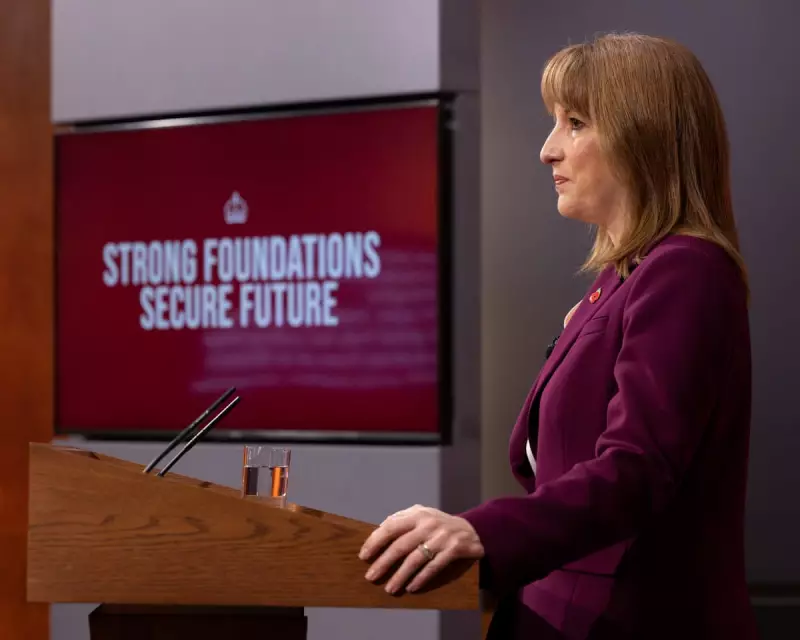
The upcoming Autumn Budget presents Chancellor Rachel Reeves with a formidable political challenge, as experts debate the potential fallout from anticipated tax rises and the breaking of manifesto commitments.
The Political Tightrope of Tax Policy
Political commentator Martin Kettle has highlighted the significant difficulties facing the Labour government as it considers increasing income tax. The budget, expected in November, places Chancellor Reeves in a position where she faces criticism regardless of her decision on taxation.
Professor Stephen Caddick from Worthing suggests that voters might be more accepting of tax increases if the government demonstrates a coherent and effective plan for governing. The electorate's potential punishment at the next election may stem less from broken promises and more from a lack of trust in the government's overall strategy.

Historical Context and Modern Challenges
Brian Keegan, former deputy leader of the Labour group at Cambridgeshire County Council from 1985 to 1989, points to two lasting impacts of Thatcherism that continue to affect current policy decisions. He recalls facing punitive approaches to local decision-making and the removal of autonomy over setting business rates.
Keegan also highlights the significant shift of public servants to the private sector following widespread privatisation, contrasting this with the achievement of development corporations that built substantial social housing between 1970 and 1988.
Public Response to Potential Tax Changes
Fawzi Ibrahim from London describes media focus on broken manifesto promises as infantile, arguing that the government should be commended for being flexible enough to change course when circumstances demand it. This flexibility becomes particularly important given economic upheavals influenced by the current US administration.
Professor Caddick suggests that the government might achieve better public reception for tax rises by focusing on clarity of purpose and collective benefits rather than divisive political catchphrases.
Practical Solutions for Household Costs
Nick Floyer from Chiswick proposes a straightforward method to reduce energy bills for less well-off households: abolish daily standing charges and incorporate infrastructure costs into usage charges. This approach would reward those who economise on energy use while ensuring lavish users pay proportionally more.
As the budget announcement approaches, the government faces the complex task of balancing fiscal responsibility with political reality, all while maintaining public trust in their governing capabilities.