Chancellor Rachel Reeves is set to deliver a pivotal budget on Wednesday, promising to confront Britain's cost of living crisis and restore fiscal stability, in what is being billed as a defining moment for Keir Starmer's government.
Key Measures to Boost Living Standards
The chancellor's fiscal statement will outline a series of measures designed to alleviate financial pressures on households. Millions of low-paid workers will receive a pay rise of 4.1% from April next year as the 'national living wage' increases to £12.71 for over-21s, boosting annual earnings for about 2.4 million workers by £900. Furthermore, the minimum wage for 18- to 20-year-olds will jump by 8.5% to £10.85 an hour.
In a significant move for commuters, the budget will introduce the first rail fares freeze in 30 years. Additional relief will come from cuts to green levies on energy bills and the scrapping of the controversial two-child benefit cap.

Navigating the £20bn Fiscal Gap
Facing a substantial financial shortfall, Reeves has been forced to abandon a planned income tax rise and instead implement a range of smaller, riskier tax increases to fill the £20bn spending gap. The chancellor is expected to extend the freeze on income tax thresholds, initially introduced by Rishi Sunak, for an additional two years.
Other revenue-raising measures include limiting salary sacrifice schemes, introducing a gambling levy, implementing a pay-per-mile system for electric vehicles, and applying a property tax on high-value homes. The decision to drop costly options like reversing the 5p cut in fuel duty has added to the complexity of balancing the books.
Spending Cuts and Political Challenges
Despite insisting there will be no return to austerity, the Guardian understands the chancellor is planning steep departmental cuts for the end of the parliament. Departmental spending growth for 2029-30 is expected to be reduced from 1% to just 0.5%, a move that would trim £2.8bn from spending plans.
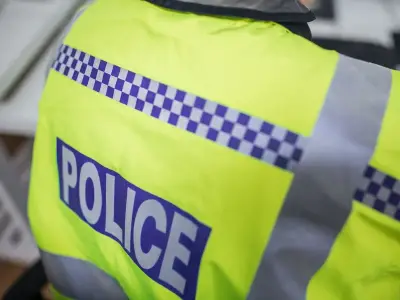
Government officials claim these savings can be achieved by abolishing police and crime commissioners, ending asylum hotel accommodation, cracking down on benefit fraud, and laying off thousands of civil servants. However, economists have raised serious doubts. Ben Zaranko of the Institute for Fiscal Studies warned that promising unspecified future spending cuts risks questions about the budget's credibility and deliverability.
The government has also faced internal disquiet, particularly over the decision not to proceed with an income tax rise and the potential scaling back of tax breaks for the Motability scheme, which provides cars for disabled people. Furthermore, plans to encourage more drilling in the North Sea are likely to prove controversial with green campaigners and Labour MPs, given the party's election pledge not to grant new licences.
With a dozen measures on the table and the full extent of some tax rises still unclear, the chancellor battles to keep her party onside while assuring the markets and the public of the government's economic competence.