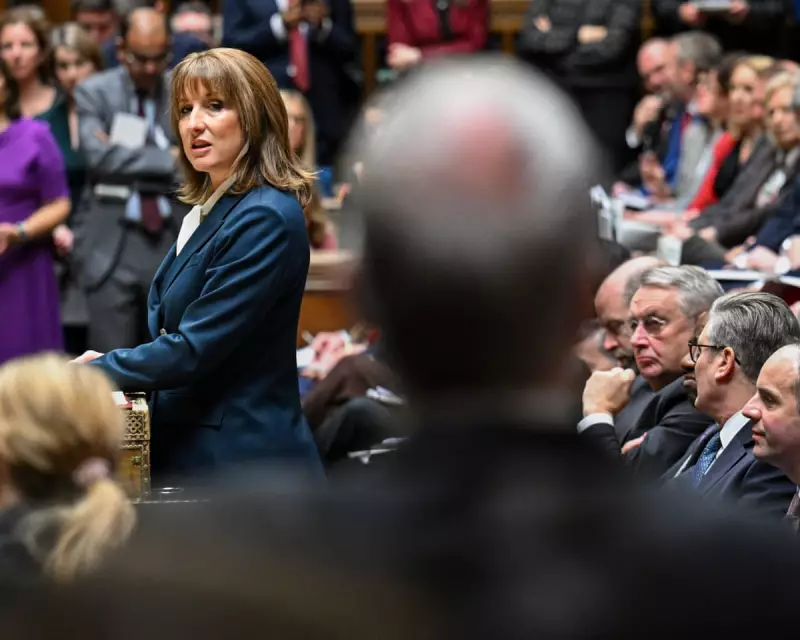
A Budget Without Surprises
Chancellor Rachel Reeves delivered her budget speech to the House of Commons with no unexpected announcements, following extensive policy leaks to media over the preceding month. The Labour government's financial plans had been so thoroughly previewed that backbenchers appeared weary halfway through the statement.
OBR Leak Adds to Pre-Budget Chaos
The drama began just as Prime Minister's Questions commenced, when the Office for Budget Responsibility accidentally published the entire budget on its website. A junior staff member had apparently pressed "send" prematurely before leaving for an early lunch, making the sensitive documents publicly available 90 minutes early.
Reeves looked visibly shaken by this development, reaching for her phone to text Treasury minister Torsten Bell for assistance. The markets, however, remained calm despite the leak, with borrowing costs actually falling as the contents aligned with expectations.

Broken Promises and Political Reactions
The chancellor defended her decision to break previous promises on freezing tax thresholds, blaming Conservative austerity measures, Brexit, and Liz Truss's brief premiership for necessitating this change. This marked the second consecutive year she had cited these reasons for raising taxes, having previously secured £40 billion through similar justifications.
Conservative leader Kemi Badenoch delivered the opposition response, demanding multiple times that Reeves resign despite having full knowledge of the budget contents thanks to both the OBR leak and previous government briefings. Badenoch's 20-minute speech failed to captivate the chamber, with attention drifting toward a Lib Dem MP's dog performing tricks rather than her political arguments.
Labour backbenchers provided performative support by waving their order papers, largely content that their preferences had been incorporated into the final budget. The initial reception suggested the financial plan might survive its first contact with reality, though its true test would come with subsequent analysis from economic institutions.