Reeves' High-Stakes Budget Gamble
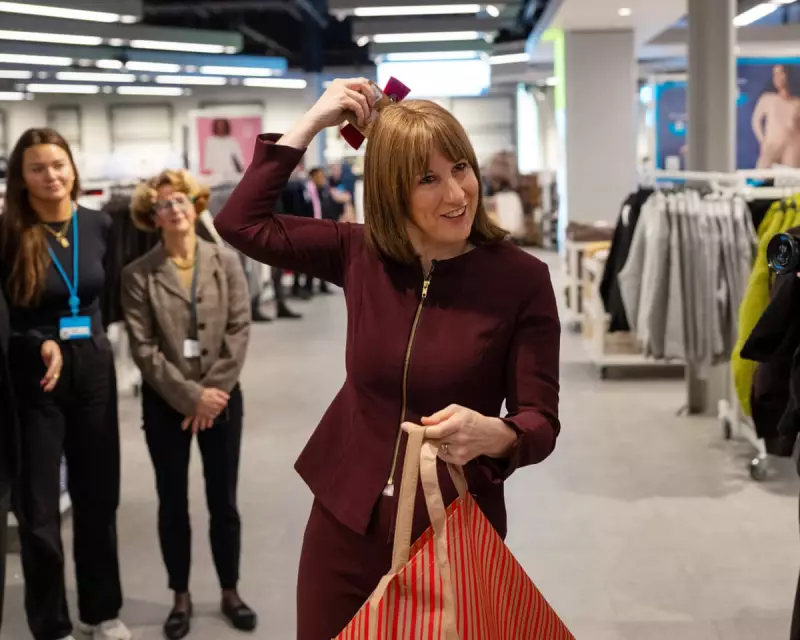
Chancellor Rachel Reeves has unveiled what political commentators are calling a 'live now, pay later' budget, a package of measures that provides immediate breathing space for the Labour government while deferring difficult decisions until closer to the next election. The November 2025 budget, delivered amidst considerable pre-announcement chaos and leaks, represents a significant political gamble that could define the government's fortunes.
The buildup to the budget was marked by what sources describe as a shambolic series of leaks and counter-leaks from the Treasury, culminating in the extraordinary early release of forecasts by the Office for Budget Responsibility. This unprecedented breach of protocol threatened to overshadow what was intended to be Reeves' landmark moment as Chancellor.
Fiscal Breathing Space Achieved
Despite the chaotic preamble, the Chancellor delivered a combative performance in Parliament, vigorously defending her policy choices while attacking the Conservative record in office between 2010 and 2024. The shadow of Liz Truss's mini-budget from three years earlier loomed large, providing Labour with what one analyst called "the gift that keeps on giving" in political terms.

The OBR's forecasts proved considerably less dire than many City pundits had anticipated, allowing Reeves to avoid the heavily trailed 2p rise in the basic rate of income tax. Through what observers described as a hodgepodge of measures, the Chancellor has more than doubled the government's fiscal buffer against unexpected economic shocks to £22 billion by the end of the decade.
The 'Jam Today, Pain Tomorrow' Problem
Market reaction to the budget has been mixed, with analysts expressing scepticism about its fundamental structure. While approving of the increased rainy-day fund, financial experts have raised concerns about the front-loaded spending increases and back-loaded tax rises.
Neil Wilson, an analyst at Saxo Markets, encapsulated City sentiment when he commented: "Big spending increases front-loaded, massive tax increases and restraint has been back-loaded – the classic policy mix: jam today, pain tomorrow. I hardly think it seems credible."
The timing of the tax increases presents a particular political challenge, as they are scheduled to begin biting as the next election approaches. Analysis shows that by 2030, someone on minimum wage working full-time will be paying an extra £137 annually due to the extended freeze on tax thresholds.
Growth Hopes and Economic Realities
The Chancellor's strategy appears to rely heavily on anticipated economic growth, with measures including cuts to energy bills, frozen rail fares, and increases to the minimum wage intended to stimulate activity. The government hopes that reduced inflation from lower energy costs might accelerate Bank of England interest rate cuts.
However, the budget contained no significant new supply-side measures to boost the UK's growth potential, leaving commentators questioning how the government intends to achieve its ambitious economic targets. With GDP growth projections downgraded from 2026 onwards, the room for manoeuvre appears limited.
Reeves appears to be hoping her budget will mirror the political turnaround achieved by Geoffrey Howe's controversial 1981 budget, which preceded Margaret Thatcher's landslide re-election. However, crucial differences remain – notably the Chancellor's inability to directly control interest rates in an era of Bank of England independence.
The coming months will reveal whether this calculated gamble pays off or whether the deferred pain proves too much for either the markets or voters to bear.