A Budget to Define an Era
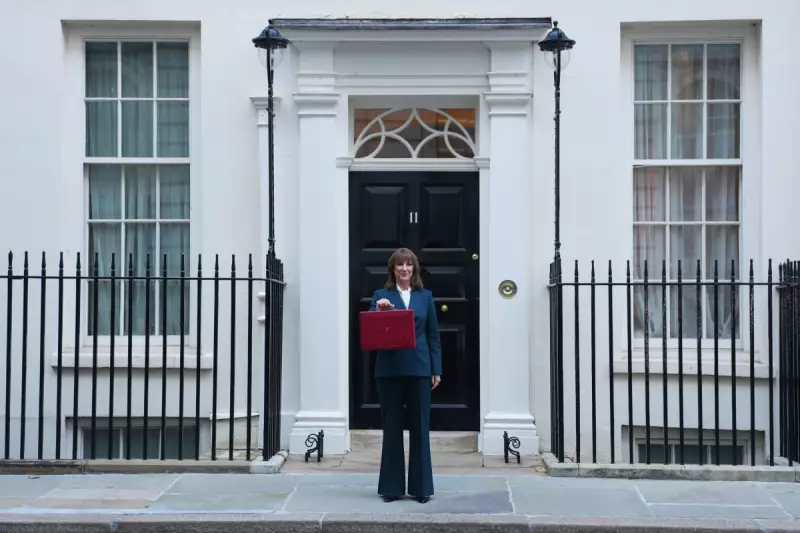
Chancellor Rachel Reeves presented her second Budget on Wednesday 26 November 2025, aiming to draw a definitive line under the past and propel the nation into a new era. The announcement was nearly upstaged by an extraordinary leak from the Office for Budget Responsibility (OBR) just before she was due to speak, highlighting the bumpy ride the Labour government has faced amid leadership challenges and internal disputes.
Against a backdrop of difficult poll ratings, this Budget was a crucial opportunity for Labour to reconnect with voters ahead of vital local and devolved government elections the following May. With backbenchers cheering her on, Reeves unveiled a package of measures designed to be both fiscally responsible and socially transformative.
Key Measures and Fiscal Framework
Framing her decisions as "fair choices", the Chancellor outlined plans to raise revenue by continuing the freeze on income tax and National Insurance thresholds. This move, she argued, asked everyone to make a contribution.

Simultaneously, she announced several measures aimed at providing immediate relief from the cost of living. These included a rise in the minimum wage, an increase in the value of the state pension, and a freeze on fuel duty.
The Landmark Move: Scrapping the Two-Child Cap
The most significant announcement was the confirmation that the controversial two-child benefit cap, which limits access to means-tested support, will be scrapped from April next year.
This policy was Labour to the core, resonating deeply with the party's historic mission to combat poverty. Reeves, sounding both emotional and combative, made a powerful case for its abolition. She argued on moral grounds, stating that every child deserves an equal chance in life, but also emphasised the economic imperative.
Child poverty, she outlined, not only damages individuals but imposes huge costs on society through poorer health, lower educational attainment, and reduced productivity, which in turn strain public spending on health, education, and social care. She confidently asserted that Britain cannot build a prosperous future with 4.5 million children blighted by poverty.
The move away from a policy that has cast a million children into poverty over the last decade will be largely funded by raising taxes on online gambling to bring them in line with levels seen in other countries.
Political Reckoning and Future Prospects
Overall, this Budget was clearly designed to turn the page on 14 years of Conservatism and demonstrate that Labour is beginning to deliver the 'change' it promised during the general election. In the Commons, Labour MPs responded with enthusiastic approval.
Whether these measures will be sufficient to unite a fractious party behind the Chancellor and Prime Minister Keir Starmer in the long term remains the critical question. For now, Rachel Reeves has staked her claim on a Budget that seeks to be both economically sound and morally just.