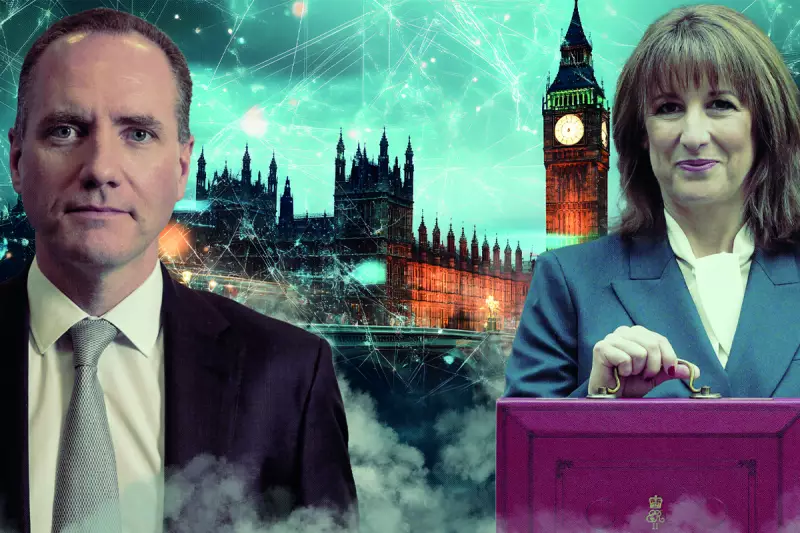
Chancellor Rachel Reeves has concluded a pivotal Budget week facing more pressing questions than when she began, despite initial promises to end months of economic uncertainty.
While the Budget contained some prudent measures, including increasing fiscal headroom and cutting back motability spending, it has been criticised for a lack of pro-growth strategy and for placing a disproportionate tax burden on young professional graduates.
Did the Chancellor Mislead Over the Fiscal 'Black Hole'?
A central controversy emerged post-Budget regarding the severity of the public finance 'black hole' that Reeves had previously emphasised. On 10 November, she told Radio 5 Live that sticking with manifesto commitments would require "deep cuts in capital spending."

However, the Office for Budget Responsibility's (OBR) subsequent forecast revealed that a surge in tax receipts, largely driven by inflation, more than covered the £16bn fiscal downgrade. Crucially, this information was confirmed to Reeves by the OBR well before her Downing Street speech on 4 November, where she warned the public about the difficult circumstances.
This timeline has led to accusations from Shadow Chancellor Sir Mel Stride, who stated, "We now know the truth... It was all a smokescreen. Labour knew all along that they did not need to raise taxes and break their promises."
The Plausibility of Back-Loaded Tax Measures
Another significant concern is the structure of the Chancellor's tax-raising plans. While the Budget ostensibly raises nearly £30bn, the majority of this revenue is not expected to materialise until the second half of this Parliament, closer to 2029.
This back-loading creates considerable uncertainty. As senior NIESR economist Ben Caswell noted, "90 per cent of the tax raising is actually going to be raised after 2028." He warned that the situation is far from resolved, suggesting the issue will resurface in the coming months and years.
Potential economic shocks, political rebellions, or the government's reluctance to implement significant tax rises in an election year all cast doubt on whether these future measures will actually be enacted, leaving financial markets justifiably skeptical.
Ultimately, what was intended to be a week of clarity has instead sown seeds of doubt over the government's fiscal narrative and its long-term revenue strategy.