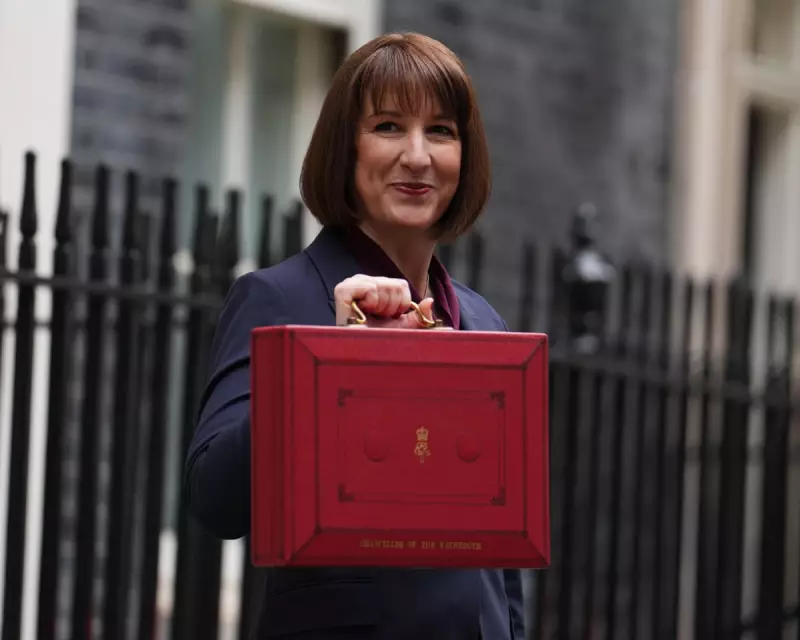
Britain's former top civil servant has issued a stark warning that voters could desert centrist politics if Chancellor Rachel Reeves fails to use next week's pivotal budget to demonstrate that mainstream politicians can solve the country's entrenched economic crises.
Manifesto Promises Under Pressure
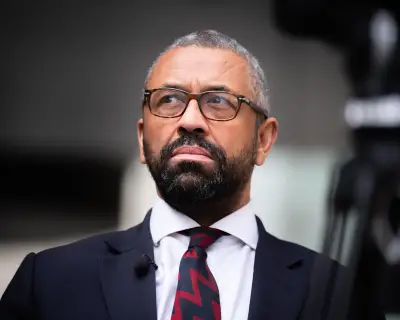
Simon Case, who served as cabinet secretary during last year's general election, revealed that Whitehall officials were deeply concerned about Labour's pre-election pledge not to increase income tax, national insurance or VAT, given the dire state of public finances awaiting the incoming government.
The buildup to Reeves' first major fiscal statement has been marked by dramatic shifts, with the Treasury initially briefing that income tax rises might be necessary before abruptly retreating from the position. Instead, the Chancellor is expected to pursue revenue through alternative measures including potential gambling levies and freezing income tax thresholds - a move that would constitute a de facto tax increase while technically avoiding a breach of manifesto commitments.

Case confirmed that during pre-budget discussions, he shared the view of independent fiscal thinktanks who had previously labelled Labour's tax promises as unrealistic. "In Whitehall we were very worried about the promises they made before the election on not raising taxes because we obviously knew the true state of the public finances that would face them on arrival," said Case, who left his role last December and now sits as a cross-bench peer.
High Stakes for Centrist Politics
The former cabinet secretary indicated that the consequences of Wednesday's budget extend far beyond the political fortunes of Keir Starmer and Rachel Reeves, suggesting that failure to address fundamental issues around tax, spending and debt could drive voters towards parties like Reform UK.
"Yes, this budget is going to be critical to the fortunes of Keir Starmer and Rachel Reeves, which are intertwined," Case stated. "But this budget is even higher stakes than that, because it raises the question of whether centre-ground governments can answer the fundamental questions that are hampering the UK. And if they can't, voters will look elsewhere. It's a really pivotal moment."
Case argued that the current political debate about technical breaches of manifesto pledges misses the larger picture of Britain's structural economic challenges. He emphasised that the government needs to be discussing how to spend "hundreds of billions" to transform the UK economy, rather than focusing on marginal differences of a few billion pounds.
Illegal Vape Crackdown Confirmed
Among the confirmed measures in the budget will be a renewed offensive against illegal vapes, with new powers for Border Force and HM Revenue and Customs to seize non-compliant products immediately and impose fines of up to £10,000 on rogue traders.
This initiative follows the government's ban on single-use vapes five months ago, which aimed to reduce environmental damage and curb rising usage among children. However, authorities have struggled to contain the flood of illegal products entering the market since the prohibition took effect.
The new measures will include QR codes on legal vapes to help consumers identify genuine products, providing another tool in the government's arsenal against the illicit trade. A government source stated: "Britain's high streets are being flooded with illegal vapes by rogue traders. The chancellor will crack down hard - giving Border Force and HMRC the power to seize dodgy vapes on the spot and hit offenders with £10,000 fines. We're protecting shoppers and backing honest businesses."
Case concluded with a sobering assessment of the long-term challenges facing the Chancellor, noting that Britain's poor economic productivity persists despite multiple government initiatives, while public services demand increasing investment despite underperformance. He warned that every budget for the foreseeable future would present "incredibly difficult" decisions for whoever holds the Treasury.