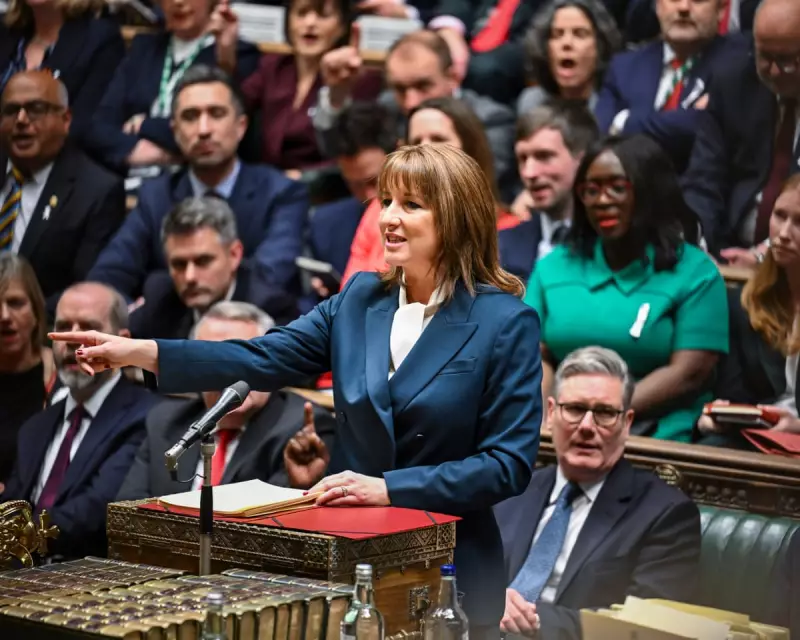
Chancellor Rachel Reeves has navigated her first major budget through turbulent political waters, temporarily stabilising the Labour government but leaving significant risks on the horizon. The budget, delivered on Wednesday November 26, 2025, represents a critical moment for both Reeves and Prime Minister Keir Starmer, whose political fates remain deeply intertwined.
A Budget Born From Compromise
The chancellor's original strategic vision, formulated back in July with Treasury officials, focused on three clear priorities: cutting NHS waiting lists, paying down national debt, and reducing the cost of living. However, the final package emerged as a broader mix of measures after the government abandoned plans for a manifesto-busting income tax rise due to higher wage growth and destabilising leadership speculation.
Reeves had privately warned Labour MPs at a half-empty meeting on Monday night that they might not approve of every measure, but urged them to support the overall package as fundamentally Labour in character. "The budget is a package. It's not a pick and mix," she told them, emphasising the necessity of difficult choices in budget planning.

Political Relief Amid Economic Concerns
Among Labour backbenchers, the budget has generated a palpable sense of relief, particularly regarding the scrapping of the controversial two-child limit - a move that received the loudest cheer from MPs during the Commons announcement. Many Labour politicians consider tackling child poverty a core motivation for entering politics, making this a deeply symbolic victory.
Other popular measures included a £150 annual reduction in energy bills, a freeze in rail fares, and an increase in the minimum wage. The chancellor framed the tax increases as progressive, telling Parliament: "I'm asking everyone to make a contribution, but I can keep that contribution as low as possible because I will make further reforms to our tax system today to make it fair and to ensure that the wealthiest contribute the most."
Implementation Risks and Economic Challenges
Despite the temporary political respite, significant dangers remain. Treasury insiders acknowledge multiple opportunities for the budget to unravel, with concerns about repeating George Osborne's notorious "omnishambles" budget of 2012. The chaotic lead-up to the announcement, marked by damaging leaks and ministerial speculation, has created an atmosphere of uncertainty.
The economic outlook presents further challenges. The Resolution Foundation has warned that disposable incomes are projected to rise by just 0.5% annually over this parliamentary term - the second worst performance since records began in the 1950s. Additionally, unemployment is expected to increase, creating headwinds for the government's economic strategy.
MPs returning to their constituencies face difficult questions about taxes reaching record highs and the freezing of tax thresholds - a measure critics describe as a manifesto breach in all but name. Scepticism also exists within the party about the timing of the largest tax rises, scheduled conveniently around the next general election.
Leadership Implications and Future Challenges
For now, the budget has achieved its immediate political objective: averting a leadership crisis that could have seen the 80 disgruntled backbenchers needed to trigger a contest against Starmer. The initial market reaction has been relatively stable after an early spike in gilt yields following an embarrassing leak from the Office for Budget Responsibility.
Reeves has demonstrated determination, telling MPs: "I'll show the media, I'll show the Tories. I will not let them beat me. I'll be there on Wednesday. I'll be there next year and I'll be there the year after that." However, with May local elections approaching - potentially a more hazardous moment for the government - the underlying tensions within Labour could easily resurface.
The chancellor's challenge remains proving that political resolve can translate into successful economic management amid difficult fiscal constraints and competing party pressures.