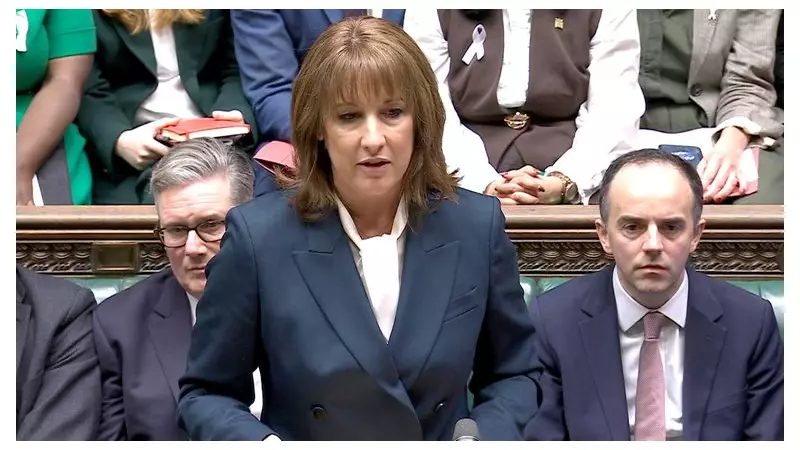
Chancellor Rachel Reeves is facing serious accusations from the Conservative Party of deliberately presenting the UK's economic situation as worse than it was in the lead-up to the Autumn 2025 Budget.
The Revealing OBR Letter
A letter published by the Office for Budget Responsibility (OBR) on Friday, 28th November 2025, has ignited the political row. The fiscal watchdog's correspondence revealed it had informed the Treasury as early as 17th September that the economic outlook was improving.
The OBR stated that the £20 billion gap needed to meet the chancellor's own fiscal rule—of not borrowing for day-to-day spending—was actually much smaller than initially feared. Crucially, by October, the OBR had informed Ms Reeves that the spending gap had closed entirely and the government was, in fact, running a surplus.

Weeks of 'Hard Choices' Warnings
Despite this positive information, the weeks preceding Wednesday's budget were filled with stark warnings from the chancellor. Ms Reeves repeatedly stated she would have to make "hard choices" to meet her tax and spending commitments.
This included a news conference on 4th November—after the OBR had told her the gap was closed—where she suggested she would likely have to break a manifesto promise and raise income tax rates. Ultimately, no increase in income tax rates was announced in the budget. Instead, the chancellor extended the freeze on income tax thresholds, a move critics have labelled a stealth tax.
Political Fallout and Accusations
Conservative leader Kemi Badenoch declared the OBR letter showed Ms Reeves had "lied to the public" and called for her to be sacked. She asserted the budget was less about stability and more about "politics: bribing Labour MPs to save her own skin."
Shadow chancellor Sir Mel Stride supported this view, calling the pre-budget briefings "all a smokescreen." He stated, "It appears the country has been deliberately misled."
Downing Street, however, firmly rejected these accusations. A spokesman for the prime minister said he did not accept the chancellor had misled the public or the markets, pointing to her clear articulation of the country's challenges and her subsequent budget decisions.
The controversy deepened as the OBR's letter clarified that no changes were made to its pre-measures forecast after 31st October, questioning the Treasury's November claim that better forecasts had led to the income tax hike being dropped.