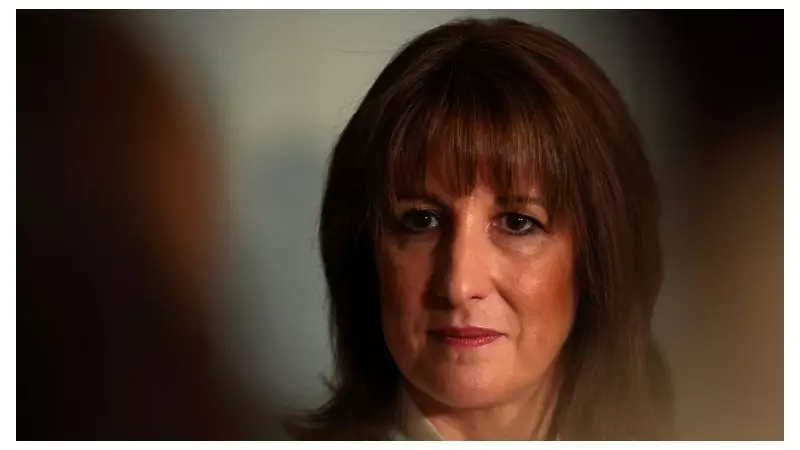
Chancellor Rachel Reeves is set for a day of intense scrutiny after being accused of breaking a key Labour manifesto promise with a Budget that introduces £26bn in tax rises.
The Core Controversy: A Broken Promise?
Following her series of announcements on Wednesday, the Chancellor acknowledged she is "asking ordinary people to pay a little bit more". The central point of contention is her decision to extend the freeze on income tax bands, a move that pushes more people into higher tax brackets as their wages increase.
When challenged by Sky News political editor Beth Rigby that this constituted a breach of Labour's election pledge not to raise taxes for working people, Ms Reeves argued it did not. She stated the party's manifesto was "very clear" about not raising the rates of income tax, national insurance, and VAT, which have remained unchanged.

However, she conceded, "If you're asking does this have a cost for working people? I acknowledge it does."
Key Measures in the Budget
The Chancellor's financial plan, parts of which were prematurely published by the Office for Budget Responsibility (OBR), is set to inflict a record tax burden on the country. The raised funds are largely needed to pay for increased welfare spending, including the popular abolition of the two-child benefit cap, expected to lift 450,000 children out of poverty.
Other significant measures announced include:
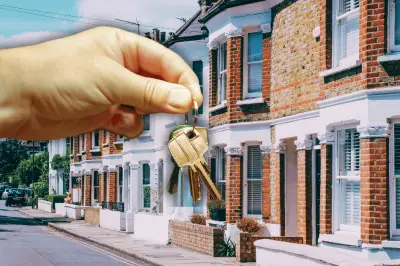
- A new "mansion tax" on properties worth over £2m.
- Fresh taxes on the gambling industry aimed at raising more than £1bn.
- The introduction of a mileage tax for electric vehicles from April 2028.
- Reducing the tax-free cash ISA allowance from £20,000 to £12,000, with an exemption for over-65s.
- Applying national insurance to pension contributions above £2,000 for those using salary sacrifice schemes.
Political Fallout and Calls to Resign
The Budget has drawn fire from across the political spectrum. Conservative leader Kemi Badenoch led the charge, accusing Ms Reeves of "hiking taxes on workers, pensioners, and savers to pay for handouts". She claimed the budget would increase benefits for 560,000 families by £5,000 on average and explicitly called for the Chancellor to resign.
While Labour backbenchers cheered the removal of the two-child benefit cap, some expressed private concern about the government's direction. One MP told Sky News, "We are effectively doing government by consent of the PLP... a bad place to be."
The criticism was not confined to the opposition. The Institute for Fiscal Studies (IFS) think tank accused the Chancellor of breaching manifesto commitments and described the budget as "spend now, pay later". Meanwhile, the Liberal Democrats' Sir Ed Davey warned she cannot "tax her way to growth," and Reform's Nigel Farage labelled the plans an "assault on ambition and saving."
Ms Reeves will continue to face questions on Thursday, with economic think tanks due to give their full verdicts and the head of the OBR under pressure over the premature release of the Budget forecasts.